Why Lemon Vibrators Feel Different After Perimenopause
Your body is shifting, and the toys you loved might not feel quite right anymore. Here's what's actually happening, and why lemon clitoral vibrators often work better during this transition.
Let's be real. You've been using the same vibrator for years, it's worked fine, and suddenly it feels weird. Not broken. Not painful. Just... off. And now you're wondering if something's wrong with you.
The hormonal shifts that start in your 40s don't just affect mood and sleep. They reshape how your nervous system experiences touch, how quickly arousal builds, and what kind of stimulation actually lands. If you've been reaching for a traditional vibrator and found yourself thinking "this used to feel amazing," the answer isn't that your pleasure died. It's that your pleasure evolved, and your toy didn't evolve with it.
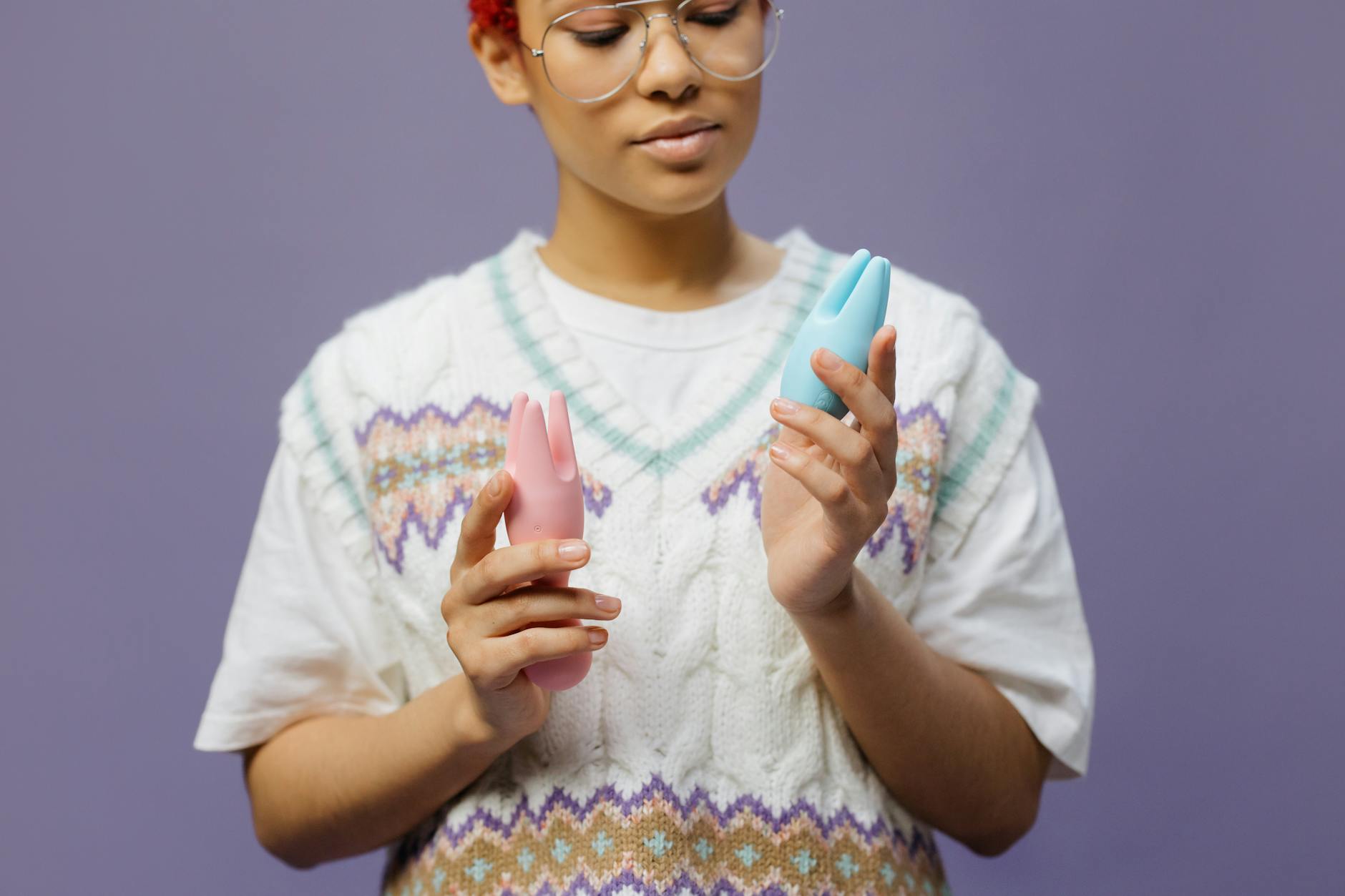
Lemon vibrators, especially air-suction toys like the Lem, tend to feel dramatically different during perimenopause. And often, dramatically better. Here's why.
Estrogen and testosterone don't just control whether you want sex. They control whether your nervous system can feel sex the way it used to.
Estrogen primes the vulva. It keeps tissue thick and elastic, helps blood flow to the clitoris, and basically sets the stage for sensation. As estrogen dips into perimenopause, that tissue gets thinner. Blood flow becomes less automatic. The clitoris itself is still packed with 8,000 nerve endings, but the surrounding tissue is less engorged, less responsive.
Direct vibration on delicate tissue sometimes feels jarring during this phase. It's like the difference between tapping your arm with a regular pencil versus tapping it with a marble. The marble is smaller, but because it's more concentrated, it can feel oddly intense or even slightly raw.
That's where the Lem and other lemon sexual toys shift the game. Suction stimulation doesn't rely on penetrating tissue thinness. It works with the shape and sensitivity of the clitoris itself, which doesn't really change during perimenopause. You're still intact. The sensation has just reorganized.
A lemon clitoral vibrator works through gentle suction and pulsing cycles rather than direct vibration. This matters more than you'd think during perimenopause.
When you use a traditional vibrator on delicate tissue, every stroke is friction against tissue that's now thinner and sometimes more reactive. A lemon sucker creates a gentle seal and draws the clitoris into a chamber where stimulation happens in a more diffused, consistent way. You get sensation without the grind.
Many people describe the feeling as a gentle pressure with rhythmic pulses, as opposed to buzzing against skin. During perimenopause, that difference is huge. Your nervous system gets a more comfortable entry point, and you often get deeper, more full-body responses faster.
The research on this is limited (pleasure science is weirdly underfunded), but clinical observation from partners and people experimenting with both toy types is nearly unanimous. People in perimenopause who switch from traditional vibrators to lemon adult toys report that sensation returns faster, feels less likely to numb out, and often delivers more intense orgasms.
Here's something nobody tells you: during perimenopause, arousal doesn't disappear. It recalibrates. It often gets slower to start but becomes more intense once it does.
With a traditional vibrator, you might have had a three-minute ramp-up. Now it's ten minutes. That's not failure. That's your body asking for something different. More foreplay, more mental engagement, more time in the building phase.
Lemon vibrators actually help here too, because the suction sensation is often more interesting and engaging than repetitive vibration. Your attention stays locked. Your nervous system doesn't habituate as quickly. I see this over and over with people in their mid-40s who felt like they were "losing it" with their old toys. They weren't losing anything. They were just bored.
If you've been a longtime vibrator user, the Lem or another lemon sucker can feel like discovering pleasure for the first time. Which, in a way, you are.
This one's simple but crucial. Thinner tissue during perimenopause benefits from external lubrication in a way your younger self might not have needed.
You're not broken if you need lube now. You're adapting. Water-based lubricant (the gold standard for silicone toys) becomes part of the setup the same way foreplay is. Budget an extra 30 seconds, apply generously, and you've solved about 70% of sensation issues that feel like "nothing's working anymore."
Use a quality water-based lube. Cheap silicone-based options can degrade silicone toys over time. Stick with water-based, keep it nearby, and reapply as you go. This is not a compromise. This is you knowing your body and setting yourself up to actually enjoy what you're doing.
Here's the thing I see as a marriage and family therapist: perimenopause pleasure isn't just about tissue. It's about permission, expectation, and narrative.
For decades, you might have made your pleasure look a certain way. Quick, responsive, on-demand. That was partly biology and partly learned. Now both are shifting.
Some people grieve that. Some people discover that the new version is actually hotter. When you slow down, when you give yourself time, when you stop expecting your body to perform on the old timeline, pleasure often gets weirder and better.
Lemon clitoral vibrators can be a physical symbol of that shift. You're not trying to force your 30-year-old body into the same pattern. You're choosing a tool that works with who you are now. That psychological permission alone changes the experience.
Traditional vibrators often have just a few settings: low, medium, high. During perimenopause, those gradations matter more. You might find you're living in patterns 2 or 3, not 5.
The Lem has multiple suction intensity levels designed to let you start gentle and work up as arousal builds. This prevents the "too much, then nothing" feeling that happens when your nervous system gets overwhelmed by a higher setting and then crashes.
Pay attention to which pattern you actually reach for most often during this phase. That's your body's baseline right now. Honor it. Your pleasure isn't diminished because you're not hitting "high." It's just more nuanced.
If sensation becomes numb no matter what tool you use, or if there's actual pain (different from "this feels weird"), it's worth mentioning to a gynecologist. Genitourinary syndrome of menopause is real and very treatable with topical therapy.
But the texture of sensation changing? The speed of arousal shifting? The need for different tools and lube? That's not a medical problem. That's your body moving through a normal transition. Treat it like that.
Your pleasure didn't break. Your body's preferences evolved. When you choose a tool that matches where you are now, instead of where you were, everything shifts. Lemon vibrators, especially air-suction options, tend to align really well with perimenopause nervous systems. Not because they're magic. Because they work with your actual physiology right now, not against it.
You deserve pleasure that feels good at this stage of your life. Which means sometimes what worked before doesn't anymore, and that's fine. Choose what works now. Your body will tell you.
Not necessarily. But if your old vibrator doesn't feel good anymore, giving yourself permission to try something new makes sense. Many people find that lemon clitoral vibrators, with their gentler suction mechanism, work better during this phase than traditional vibration. You're not replacing a broken thing. You're upgrading to match your actual body.
Thinner tissue during this hormonal phase becomes more sensitive to concentrated friction. Traditional vibrators concentrate stimulation in a smaller area at higher intensity. Air-suction toys distribute stimulation more diffusely. This often feels less intense and more comfortable, even though it can actually deliver stronger sensations overall.
You might find you need lube now even if you didn't before. Stick with water-based lubrication on silicone toys. Silicone-based lubes can degrade silicone materials over time. A quality water-based option is your friend during perimenopause. Yes, every single time.
Many people notice a difference in the first few uses. Others need three or four sessions to understand the new sensation. Don't expect it to feel identical to your old toy. It will feel different. Different can be genuinely better, but it's still an adjustment. Give yourself at least a week of regular exploration before deciding.
Completely normal. They might be slower to build, more concentrated in one area, or more diffuse throughout your body. Some people experience less-intense orgasms during certain phases of perimenopause and more-intense ones at other times. Lemon sexual toys like the Lem are often reported to help with intensity and consistency during this transition.
Absolutely. Perimenopause isn't something you should navigate alone. If you're partnered, letting them know that your body is shifting, that certain touches feel different, and that you might want to explore new tools or longer warm-ups removes so much unnecessary confusion. Pleasure is a conversation, not a performance.
We talk about menopause like it's an ending. It's not. It's a recalibration. Your clitoris is still there. Your capacity for pleasure is still there. The nervous system is just asking for something slightly different.
When you listen to that ask, when you choose tools and techniques that honor where your body is now, pleasure often gets better, not worse. That's worth paying attention to.
If you want to explore how lemon vibrators work or have specific questions about finding the right toy for your body, let's talk. Your pleasure is worth the conversation.