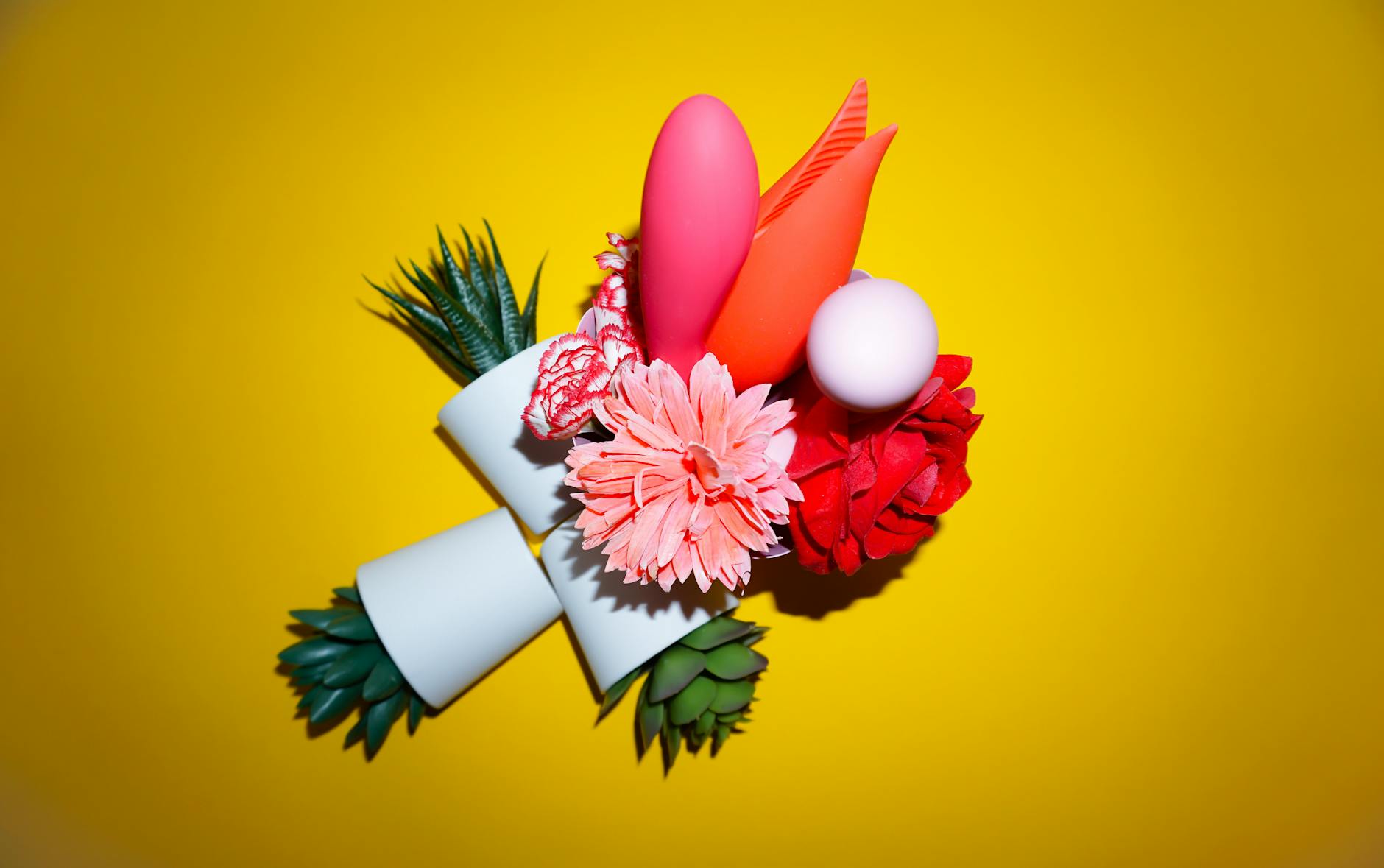
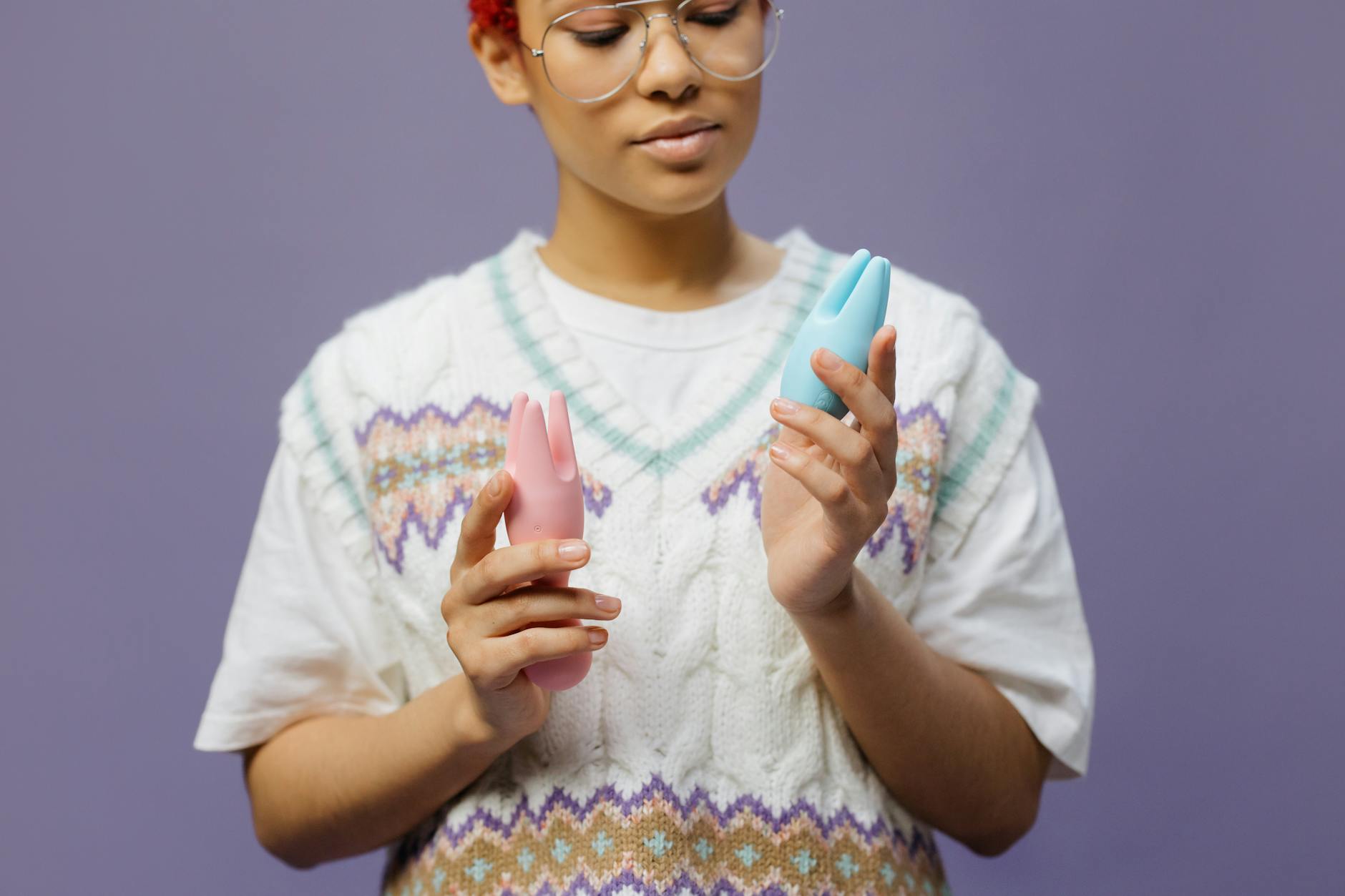
Why Lemon Vibrators Feel Completely Different After Hormonal Shifts
Your body is not broken. Your lemon clitoral vibrator isn't either. Here's what actually changes during perimenopause, postpartum recovery, and other hormonal transitions—and why this matters more than anyone tells you.
Your body doesn't stop wanting pleasure during hormonal transitions. What changes is the path to get there. If you've noticed that your favorite lemon vibrator feels different since your hormones shifted—maybe less responsive, or requiring a totally different approach—you're not imagining it. The good news: that shift is entirely normal, and often means you're about to discover a version of pleasure that works even better for you.
I work with couples navigating perimenopause, postpartum recovery, and other hormonal seasons. The pattern I see repeatedly is the same: someone tries their usual routine, feels disconnected from their own body, assumes something is wrong, and stops trying altogether. What's actually happening is neurological and physiological—not psychological, and definitely not permanent.
When estrogen drops—whether during perimenopause, after giving birth, or during other hormonal transitions—several things happen to your tissues and nervous system simultaneously.
Estrogen maintains the thickness and elasticity of vulval and vaginal tissue. When it drops, tissue becomes thinner and more delicate. This doesn't mean less pleasurable. It means more sensitive in some areas and requiring gentler initial approach in others. The pelvic floor, which is also estrogen-responsive, loses some of its muscular tone and support. Lubrication decreases. Blood flow to the genitals can take longer to build.
But here's what doesn't change: your clitoral nerve density stays exactly the same. The neural pathways for arousal remain intact. Your brain's capacity for pleasure doesn't diminish. Many people report that orgasms feel more intense after hormonal shifts, not less—just different in shape and timing.
This is where suction-based pleasure tools like the Lem from Hello Nancy become genuinely revelatory. Traditional vibrators rely on friction and direct pressure. That approach can feel overwhelming or even uncomfortable on thinner, more sensitive tissue. Suction works differently: it stimulates deeper nerve clusters without requiring intense surface friction.
During hormonal transitions, your tissue is more sensitive to sustained pressure. Suction technology distributes stimulation across a wider area of tissue, which means you get intense sensation without the mechanical wear. It's the difference between a sustained squeeze and a rhythmic pulse. Many of my clients find that they reach orgasm faster and more reliably with a lemon clitoral vibrator during this season than they did before.
Perimenstrual transitions hit everyone differently, but there are patterns worth knowing.
In the perimenopause window (often 5–10 years before your final period), hormonal swings can be erratic. Some months your body responds like it always has. Other months, nothing lands. This randomness is maddening and completely normal. It usually settles into a steadier new normal once you're officially post-menopausal.
Postpartum, the shift is more abrupt. Prolactin rises (the milk-production hormone), which suppresses desire and estrogen. This typically normalizes around 6–12 months postpartum if you're not breastfeeding, or longer if you are. But here's the thing: even during this window, pleasure is still accessible. It just requires intentionality and the right tools.
Your go-to approach—the exact pressure, pattern, and timing that worked last year—might feel off-key now. This is frustrating and completely fixable. Three shifts that help almost everyone I work with.
First, extend your warm-up window. When estrogen is lower, arousal takes longer to build. Budget 20–30 minutes of foreplay or self-exploration before bringing out any toy. Your nervous system needs time to transition into pleasure mode.
Second, start at lower intensity. On the Lem, begin at pattern 1 or 2 instead of diving into your old favorite. Thinner tissue doesn't need as much force to register sensation. As your body warms up, you can increase intensity.
Third, use external lubrication generously. Water-based lube isn't a sign you're broken. It's a tool that acknowledges your body's current biology. It also reduces friction, which means you can stay in pleasure longer without irritation.
Here's what I see most often, and what I wish more people understood: the pleasure disruption during hormonal shifts is both physical and psychological.
Physically, your body is changing. Psychologically, you're grieving the ease of before. You might also be dealing with midlife pressure, relationship renegotiation, aging anxiety, or just the cognitive load of managing a changing body. All of that lands in your nervous system and makes pleasure harder to access, separate from whether your tissues are responding.
This is why partnered sex sometimes feels harder during hormonal transitions. You're not just managing your own body; you're managing the emotional weight of explaining your body to someone else. If your partner doesn't understand that "different" doesn't mean "broken," you end up in a loop of disappointment and withdrawal.
The conversation worth having with a partner is this: "My body is responding differently right now, and we need to approach this differently too. That's not a loss. It's an adjustment." Then make the adjustment together. How to use lemon vibrators for deeper pleasure with your partner can help frame that conversation in practical terms.
If sex is painful, don't wait it out. Pain during sex that appears during or after hormonal transitions is often genitourinary syndrome (a treatable condition with topical solutions). A gynecologist or sexual health specialist can usually resolve this in weeks.
If desire has completely tanked and isn't recovering after a few months, ask your doctor about hormone levels. Low testosterone is often undertreated in people with ovaries. Some people find that low-dose testosterone therapy (whether topical or oral) transforms their desire landscape. It's not a quick fix, but for the right person, it changes everything.
If you're struggling with postpartum transitions specifically, remember that touch deprivation is real. If you're touched out from feeding a baby or handling a toddler, partnered sex can feel impossible. Solo pleasure with your favorite lemon vibrator might actually be your gateway back to connection with your own body.
It depends on the transition. If you're in perimenopause, sensation will likely stabilize once you're fully post-menopausal (usually within 5–10 years, though the window is different for everyone). Postpartum, most people see significant shifts return around 6–12 months after birth. But "normal" isn't the right target. "Integrated" is better. You'll develop new baseline responses that work with your current body, not against it.
Not if you adjust your approach. Aggressive or frequent use of any toy can irritate thinner tissue. But thoughtful use—lower intensity, adequate lubrication, shorter sessions—actually helps many people recalibrate their pleasure pathways. You're not causing damage. You're exploring what works now.
You can, but you might not want to. Prolactin (the breastfeeding hormone) suppresses arousal and estrogen. Your tissue is thinner, your desire might be lower, and sensation might feel muted. This is temporary. Many people find that solo pleasure with a lemon vibrator feels better than partnered sex during this phase, because there's no pressure to perform or receive. You're just exploring your own body at your own pace.
That's common and usually just a pacing issue. Lower estrogen can mean it takes longer for your nervous system to register pleasure. Extended foreplay, gentler initial stimulation, and patience usually solve this. Some people also find that the suction sensation of a lemon clitoral vibrator registers better than vibration when sensitivity feels muted, because suction creates deeper stimulation.
Completely normal. Orgasms during lower-estrogen phases are often more localized, sometimes less intense, sometimes more intense but shorter. They might require different patterns or positions. This isn't a downgrade. It's a recalibration. Once you understand your new pattern, many people find it's more reliable and sometimes more satisfying than before.
Not necessarily. If something hurts, stop and address it. But if something just feels different, keep exploring. Discontinuing pleasure entirely usually makes the transition harder, because your nervous system loses that pathway. Gentle, exploratory use keeps that door open and often helps you discover new sensations you prefer to your old approach.
Hormonal transitions are hard. Your body is changing, your mood might be erratic, and yes, your pleasure landscape shifts. But this season is also an opportunity to stop performing pleasure on someone else's timeline and start discovering what actually works for your body right now. Many of my clients report that their most satisfying experiences come after they stopped trying to recreate their old routine and started experimenting with their new one.
Your lemon vibrator isn't the problem. Your changing body isn't the problem. The only problem is expecting your body to respond the same way it did before. Once you let that go, pleasure gets interesting again.