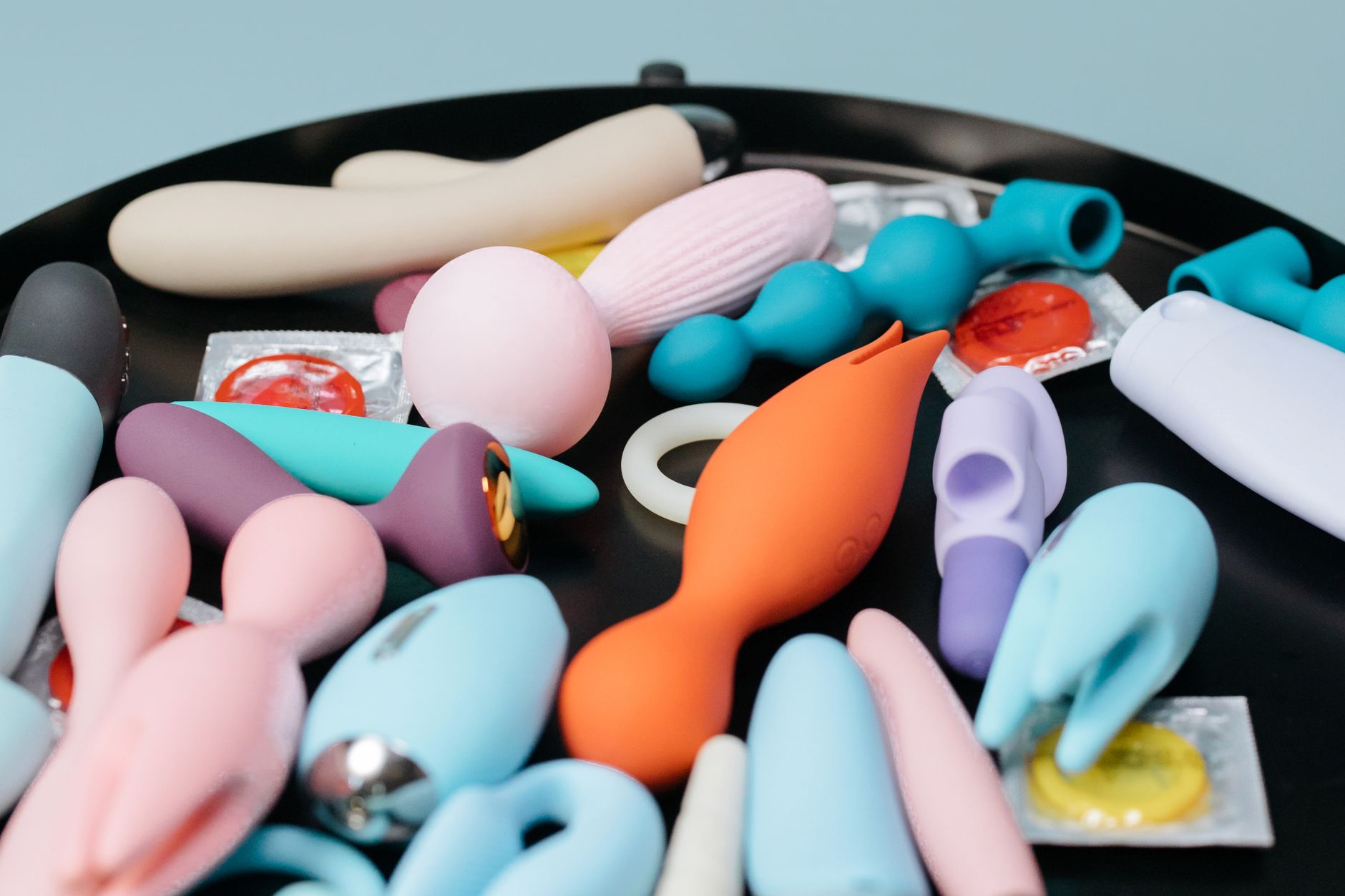
Why Lemon Clitoral Vibrators Feel Different When Recovering From Childbirth
Your body went through something massive. Sensation, arousal, and even the basics of pleasure shift in ways nobody mentions. Here's what actually happens, and how lemon suction toys can help you reconnect.
Postpartum bodies are not the same bodies that got pregnant. I know that sounds obvious, but what's not obvious is how much sensation and pleasure change in those first months and years. Most of the resources focus on "when can you have sex again" (usually six weeks). Almost nobody talks about what it actually feels like when you do.
Here's the truth: lemon clitoral vibrators and suction toys feel fundamentally different after childbirth because your neural pathways, tissue recovery, and arousal architecture are rebuilding in real time.
Whether you gave birth vaginally or via caesarean, your pelvic floor sustained trauma. That's not hyperbole. Pregnancy and delivery stretch, compress, and sometimes tear the tissues and nerves that power pleasure and sensation. Recovery isn't linear, and it's not complete in six weeks. For most people, deep neural recovery takes 18 to 24 months.
Vaginal delivery creates more immediate pelvic floor disruption. Tearing (even microscopically) changes how nerves fire. Scar tissue formation, even when minimal, can alter sensation patterns. Your clitoris might feel less responsive, or responsive in a completely different way. Some people report that stimulation feels numb. Others feel hypersensitive or almost painful.
Caesarean delivery involves a different kind of trauma. The abdominal incision doesn't directly disrupt the clitoris, but it disrupts the nerve pathways that carry sensation up from your genitals through your pelvis into your spinal cord and brain. That numbness you feel around the scar site? That's your nerves rewiring themselves, and it takes time.
Both scenarios also shift your hormonal landscape. If you're breastfeeding, your prolactin levels stay elevated, which suppresses dopamine and can tank desire. Your estrogen levels drop postpartum, thinning vaginal tissue. Oxytocin (the bonding hormone flooding your system from nursing) can paradoxically make partner touch feel overwhelming instead of pleasurable.
A lemon clitoral vibrator uses suction and gentle pulsing rather than direct friction. After childbirth, this matters tremendously.
Direct vibration and friction can feel too intense on recovering tissue. Your clitoris is hypersensitive right now. The nerves are active, but they're also still reorganizing. Blunt stimulation can feel overwhelming or even painful, which then trains your brain to anticipate pain instead of pleasure. That's a pattern you want to avoid.
Suction works differently. It creates a rhythmic pulling sensation that engages nerves without the mechanical pressure of traditional vibrators. For postpartum bodies, this gentleness is often the difference between "this feels wrong" and "okay, I remember what this is." The lem vibrator's design allows you to layer in intensity gradually. You can start at the lightest setting and work up as your tissue heals and your brain reacclimates to pleasure.
Weeks 1-4: Don't touch this area. Your body is bleeding, contracting, and healing. Full stop.
Weeks 4-6: You might get medical clearance for sex, but that doesn't mean your body is ready. Many clinicians give this clearance based on whether bleeding has stopped, not on whether your nervous system has recovered. Huge difference.
Weeks 6-12: If you're not breastfeeding, estrogen is starting to return. Your pelvic floor has basic stability again. This is when some people cautiously try solo pleasure. It often feels weird or absent. That's normal.
Months 3-6: Sensation usually starts returning. If you had tearing or a caesarean, scar tissue is still forming. Some hypersensitivity is common. A lemon clitoral vibrator at low intensity can help you relearn sensation without overwhelming your system.
Months 6-12: Most people see significant improvement. Breastfeeding (if you're doing it) can still suppress arousal. Exhaustion is often the bigger barrier than biology at this point.
Months 12-24: Deep neural recovery is still happening. Your pleasure capacity often improves substantially during this window as your nervous system finishes reorganizing.
Start when you're ready, not when you "should be." That might be at four months. It might be at nine months. There's no deadline.
Begin solo. No partner, no pressure, no expectations. Your brain needs to relearn that this sensation means good, not pain or numbness. Start at the lowest intensity setting on your lem vibrator and spend time just noticing. You're not trying to orgasm. You're trying to reconnect.
Use it for five to ten minutes, then stop. Your nervous system is delicate right now. Shorter sessions let you process sensation without flooding your system.
Lubrication matters more than ever. Even if you're not breastfeeding, postpartum tissue is often thinner and more delicate. Water-based lubricant isn't optional. It's protective and essential.
If anything hurts, stop immediately. Postpartum pain during pleasure is a sign that your body isn't ready yet, or something else needs medical attention. It's not something to push through.
Your body grew and sustained a human. It fed that human for potentially months. It's been touched constantly by a baby who has zero concept of boundaries. In many cases, you're also running on two hours of broken sleep while managing a person who depends on you entirely.
The last thing many people want is more touching. Especially touching that's sexual. Even if you're intellectually ready to reconnect with pleasure, your nervous system might be screaming no. That's not dysfunction. That's information.
A lemon clitoral vibrator gives you solo pleasure without requiring your partner to be involved. You don't have to negotiate anything. You don't have to feel responsible for their experience. You can explore at your own pace, without anyone else's needs in the room. For many postpartum people, that autonomy is the thing that actually makes pleasure possible again.
If you're partnered, the kindest thing you and your partner can do is separate two conversations. Conversation one: "My body is healing and my arousal is different." Conversation two: "I want us to reconnect as a couple." Those are different problems with different timelines and different solutions.
Can you use a lemon suction toy if you had perineal tearing? Yes, but wait until the incision is fully healed (usually eight to twelve weeks minimum) and you're not experiencing pain. Even slight tearing changes sensation, so go slow and listen to what your body tells you.
What if you had a caesarean? Your clitoris wasn't surgically disrupted, but your nervous system was. Start with the lemon clitoral vibrator once you're cleared for regular activity (usually around six weeks). The suction design will feel different than traditional vibration, which is actually good for your recovering nervous system.
Is it normal to feel nothing? Completely. Postpartum numbness is real and usually temporary. It means your nerves are still waking up. Keep using suction stimulation gently, and sensation almost always returns over months.
What if sensation feels painful or hypersensitive? Your body might be signaling that the tissue isn't ready yet, or there's an issue like ongoing inflammation or nerve damage. Check in with your OB or a pelvic floor physical therapist. That's not a "you're broken" signal. It's useful medical information.
Can you use a lemon vibrator if you're breastfeeding? Biologically yes, but practically maybe not yet. Prolactin suppresses arousal. Many nursing people find that pleasure doesn't return until they stop breastfeeding or significantly reduce it. That's not failure. That's biology. Use the time to reconnect emotionally and mentally instead, or wait until you're ready to wean.
How long until pleasure feels normal again? For many people, 12 to 18 months. For some, longer. Everyone's timeline is different. Healing isn't linear. You might feel great for a month, then hit a wall. That's completely normal.
Postpartum pleasure recovery isn't about forcing yourself back to where you were. It's about discovering who you are in this new body, with a different nervous system, different time, different everything. A lemon clitoral vibrator is a tool for that exploration. It's gentle enough for tissue that's healing, flexible enough to match your actual arousal level, and designed to help you reconnect without pressure.
Your pleasure matters. It's not selfish. It's not frivolous. It's a sign that you're taking care of yourself, and that your nervous system is healing. Recovery takes time. Be patient with yourself.
Most people get medical clearance for regular sexual activity at six weeks postpartum. However, that clearance is based on bleeding and basic healing, not on whether your nervous system and tissue are truly ready for stimulation. A better timeline is to wait until you're having some level of natural lubrication and arousal returning on its own. For many people, that's somewhere between three and six months. If you had significant tearing or a caesarean, you might wait until eight to twelve weeks minimum. Start with solo exploration and low intensity, then build from there.
No. Your body has changed. Sensation, arousal speed, and what triggers pleasure often shift postpartum. This isn't a loss, it's just different. Many people find that once their body stabilizes (usually around 18 months postpartum), their pleasure capacity actually expands. You might discover new sensations or preferences. Try to stay curious instead of comparing yourself to before.
Wait until the tear is fully healed and pain-free. Depending on the severity, that might be eight to twelve weeks. Once you're cleared, a lemon clitoral vibrator's gentle suction is actually gentler than traditional vibration on healing tissue. Start at very low intensity and stop immediately if you feel pain. If pain persists during pleasure, that's information to discuss with your healthcare provider.
No. Prolactin (the milk-making hormone) actively suppresses dopamine and arousal. Many nursing people don't regain desire until they wean significantly or completely. This is temporary biology, not permanent. If you want to explore solo pleasure anyway, a lemon vibrator can help you stay connected to your body without pressure for arousal or orgasm. If you're not interested in pleasure right now, that's also completely fine.
Sure, but the focus should be on gentle exploration, not performance or orgasm. Communication is everything. Tell your partner what intensity level feels okay, what areas are still sensitive, and that you might need to stop suddenly if something feels wrong. Some postpartum people find that partner touch feels overwhelming or intrusive during recovery. If that's you, solo time with your lemon clitoral vibrator might be the better path right now.
If you have pain during stimulation that doesn't improve over time, numbness that hasn't started improving by six months postpartum, or if you suspect complications from tearing or your incision, reach out to your OB or a pelvic floor physical therapist. There are treatable issues like scar tissue restrictions, ongoing inflammation, or nerve damage that benefit from professional support. You don't have to white-knuckle through this alone.
Postpartum recovery is long and nonlinear. Your body changed enormously. Your pleasure will be different, but different doesn't mean worse. A lemon clitoral vibrator's gentle suction design meets recovering bodies where they actually are. Start slow, be patient with yourself, and remember that reconnecting with pleasure is part of taking care of yourself. You deserve that care. Reach out if you need support navigating recovery with a partner or if you want to talk through what's happening in your specific situation.