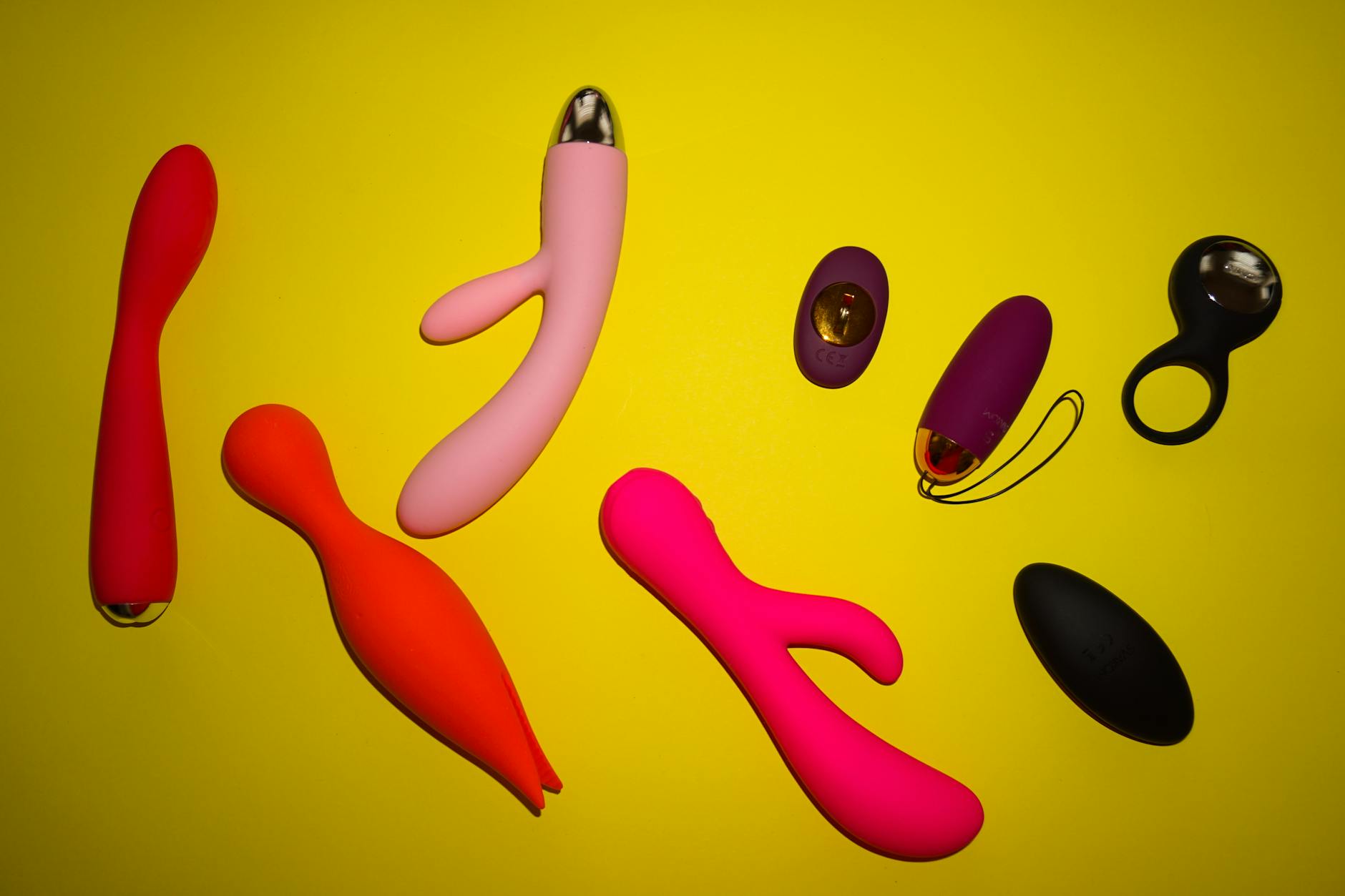
If you've tried a lemon clitoral vibrator and found it feels wildly more intense than a traditional vibrator, your body isn't overreacting. It's responding exactly as designed. Lemon sexual toys use gentle suction to stimulate nerve clusters, not rapid vibration. That's a completely different mechanism, and it hits sensitive tissue in ways that can feel stronger, sharper, or more direct than you expected.
Traditional vibrators move rapidly back and forth, creating stimulation through shaking motion. A lemon sucker (another name for lemon vibrators) works like a gentle mouth. The suction creates a seal and then releases rhythmically, pulling soft tissue slightly inward. That pulling sensation engages different nerve endings than vibration does.
Your clitoral tissue is loaded with nerve endings. Vibrators spread that stimulation across a larger surface area through movement. Suction concentrates it. You're not getting more sensation overall, but it's being delivered more directly to one spot. For sensitive tissue, that concentration can feel like turning up the volume without actually increasing power.
The genius of this design is that suction also doesn't require direct friction. If your tissue is reactive to touch, irritated from friction, or simply more delicate than average, suction avoids that grinding pressure entirely. Instead of rubbing, it's more like a gentle tug. That's why many people with sensitive skin actually prefer a lemon vibrator once they adjust to the intensity.
Sensitive doesn't mean fragile. It means your nerve endings are responsive, which is actually a gift if you work with it instead of against it. Sensitive tissue typically has denser nerve concentration or a thinner protective barrier. Either way, signals travel faster and feel more pronounced.
When you introduce suction to sensitive tissue, there's no buffer of vibration speed to diffuse the sensation. It's clean, focused stimulation. First-time users often feel shocked by how quickly sensation builds or how intense it feels at even the lowest settings. That's not the suction being too strong. That's your body doing what it's supposed to do when stimulated efficiently.
The good news: this efficiency cuts down on session length if you need it. You also tend to need lower intensity settings, which many people find more sustainable during longer sessions. And with a device like the Lem, you can start at pattern 1 or 2 instead of jumping to higher levels.
Not all sensitive tissue is the same. Hormonal changes (perimenopause, menopause, pregnancy, certain medications) can thin the tissue around your clitoris. That thinner tissue has less cushioning between nerve endings and the surface. Suction against thin tissue delivers sensation more directly.
If you've noticed changes in sensitivity after 40, or during hormonal transitions, a lemon suction vibrator often works better than traditional vibrators for exactly this reason. You don't need more power. You need a delivery method that works with your tissue as it is now, not as it was before.
This is also why the same lemon vibrator might feel different intensities to different people, or feel different to you at different points in your cycle. Tissue thickness fluctuates. Hydration affects sensation. Time of day matters. All of these shift how sensitive you feel.
If you have sensitive skin or reactive tissue, here's the actual protocol.
First, begin at the lowest setting. Not the second-lowest. The absolute lowest. Many new users skip this step because they assume low won't feel like much. Suction at pattern 1 on a lemon clitoral vibrator is often comparable to medium vibration on a traditional toy. You'll feel more than you expect.
Second, use lubricant. Water-based only, always. Lubrication helps the suction seal create without requiring you to press harder against the toy. It also buffers sensation slightly and prevents any micro-friction. This is non-negotiable for sensitive tissue.
Third, warm up first. Don't go directly to the device. Spend 10-15 minutes with partner touch, other types of stimulation, or just breathing and relaxation. Arousal increases blood flow to tissue and slightly thickens it, which means sensation feels less raw. A warmed-up body responds differently than a cold one.
Fourth, pull back earlier than you think you need to. The beauty of suction is that you don't need to ride it all the way to the edge every session. You can enjoy 5-10 minutes of sensation, stop, and feel completely satisfied. Sensitive tissue benefits from shorter, more frequent sessions rather than marathons.
Here's what I tell clients constantly. Intensity that feels sharp or building quickly is normal with suction on sensitive tissue. Pain is not. If you feel stinging, burning, rawness, or a sensation that makes you wince, stop. That's your tissue telling you it needs adjustment.
Adjustments might mean lower intensity, more lubrication, shorter sessions, or waiting a day or two before trying again. Sometimes reactive tissue needs recovery time, especially if you've been using vibrators frequently or if hormonal changes have made your tissue more delicate recently.
If pain persists even at the lowest setting with plenty of lubrication, pause using the toy and see a gynecologist. This might indicate irritation, infection, or a skin condition that needs treatment before toy use. Once treated, many people find they can use a lemon sexual toy comfortably again.
So here's the plot twist. Many people assume they can't use toys because their tissue is sensitive. Then they try a suction-based lemon vibrator and discover it's way more comfortable than traditional vibrators. Why?
No friction. Direct stimulation without the grinding motion that irritates reactive tissue. Lower settings that still deliver strong sensation. No need to press down hard to feel something, which reduces physical pressure. All of these combine to make suction gentler on sensitive tissue than vibration.
If you've tried other vibrators and found them uncomfortable, don't assume all toys will feel the same way. A lemon clitoral vibrator works on a completely different principle. It's worth experimenting once you understand how to use it properly.
Sensitive tissue isn't a permanent fixed state. Arousal, hormonal cycles, stress levels, pelvic floor tension, and hydration all shift how reactive your tissue feels. If you start with low intensity and build a regular practice with suction, many people find their tissue becomes less hair-trigger reactive.
This isn't deadening sensation. It's teaching your nervous system to discern between different levels of stimulation. Over time, pattern 1 might feel more like a warm-up, and you can move into pattern 3 or 4 without feeling overwhelmed. Or you might stay at lower settings forever, which is equally valid.
The key is consistency and patience. Your body adapts. If you use a lemon vibrator once every few months, sensitivity will feel unpredictable. If you build it into a weekly or bi-weekly routine, your tissue learns the rhythm.
No, not in the way you're worried about. Your nerve endings won't stop working. What changes is your brain's ability to distinguish between different stimulation levels. Think of it like sound. A whisper always registers in your ear, but if you listen to whispers regularly, they become easier to hear and distinguish from other sounds. That's adaptation, not desensitization. You're training sensitivity, not losing it.
Maybe, but work with your healthcare provider first. These conditions involve pain or involuntary muscle tension. A suction-based toy might feel better than vibrators for some people, or it might trigger the same response. Start only after you've discussed it with a physical therapist or gynecologist who specializes in sexual health. The good news: when it does work, people with these conditions often find a lemon clitoral vibrator more sustainable than traditional vibrators.
Hormones, hydration, arousal, and pelvic floor tension all change how intense sensation feels. During the first part of your cycle when estrogen is higher, tissue might be thicker and sensation could feel less acute. Mid-cycle when everything is more swollen, suction might feel stronger. Hydration affects tissue elasticity. Stress keeps your pelvic floor tense, which can amplify sensation. All of this is normal and expected. Track what you notice and adjust accordingly.
Yes, but usually not in the way you fear. Your nerve endings don't go numb. What happens is your brain gets better at processing that specific sensation, so it feels less novel. The solution is either taking breaks (a few weeks off resets novelty) or exploring different patterns on the same device. A lemon vibrator has multiple patterns, not just intensity levels. A different pattern can feel entirely fresh even at the same power.
Not necessarily. The Lem or other Hello Nancy lemon clitoral vibrators are designed so the suction intensity feels controlled and gradual, not harsh. Size matters less than settings and technique. Start with your preferred device at the lowest setting and adjust from there. Sometimes a smaller toy is more comfortable for other reasons (easier to maneuver, less pressure from weight), but sensitivity specifically isn't usually a size issue.
Minor redness or slight bruising from suction can happen, especially if you use higher intensities or stay on one spot too long. If marks appear, you've been applying the suction a bit too intensely or for too long without moving. Pull back the intensity, limit sessions to 10-15 minutes, and move the suction around rather than staying stationary. If bruising is significant or painful, take a break and start lower next time.
Sensitive tissue and a lemon suction vibrator aren't incompatible. They just require respect and intention. Start low, use lubricant, warm up, and listen to your body. Many people find that suction works better for their sensitive tissue than traditional vibration ever did. Your intensity isn't a flaw. It's useful feedback. Use it to dial in the right approach, and you might find something that feels genuinely sustainable and deeply satisfying.
If you're unsure about your specific situation or have tissue concerns, reach out. We're here to help you find what works for your body.