How to Use Lemon Vibrators When You Have a New Sexual Partner
The unspoken anxiety about bringing toys into a new relationship. Here's exactly when to mention it, how to frame it, and why your partner will probably love the idea more than you expect.
Let's be real. The moment you start sleeping with someone new, a question pops up in your head: do I mention that I use a vibrator? Do I bring it out? Do I hide it in a drawer and hope they don't find it first?
Most of my clients sit with this anxiety alone for weeks or months. That's not because there's anything wrong with using a lemon clitoral vibrator. It's because early-stage relationships feel fragile, and you're not yet sure what this person thinks about pleasure, toys, or anything outside the vanilla script.
Here's what actually happens when you bring it up. Spoiler: almost never the disaster you're imagining.
First, let's name what's actually happening. You're not worried a sex toy is wrong. You're worried your partner will think you're not satisfied with them, that toys mean they're not enough, that introducing external pleasure somehow devalues what you have together.
That fear is understandable. It's also almost universally unfounded.
In my clinical work with couples navigating new relationships, I've found that partners who initially resist toys do so for one of three reasons: lack of knowledge about how they work, insecurity rooted in their own past, or cultural conditioning that sex should be "natural" and unmediated. None of those are actually about you or your character.
The truth is simpler. A lemon vibrator is a tool for your pleasure. Your partner wanting to be inside you or touch you during or after doesn't change. The toy just adds a layer of sensation that makes the whole experience richer for both of you.
There's a window where this conversation goes smoothest. Too early, and they don't know you well enough to contextualize it. Too late, and it feels like you've been hiding something.
I recommend waiting until after you've had sex a few times, but before you've settled into a routine. Usually that's around week two to four, when you know the person is genuinely interested in you and you've established basic trust, but you haven't yet built up assumptions about what sex with each other "should" look like.
Timing also depends on context. If you know they've dated people with vibrators before, you can probably bring it up sooner. If they're someone who seems anxious about being enough in other areas of the relationship, you might want to wait until you've built more security.
Avoid bringing it up mid-sex or in the heat of the moment. Seriously. Nothing kills the mood faster than a defensive conversation when you're naked and vulnerable. Save it for a moment when you're relaxed, maybe with coffee or a glass of wine, when you can both think clearly.
This is where precision of language matters. Here are the words that work:
"Hey, I want to talk about something that's important to my pleasure. I use a vibrator. It's not about you or whether I'm satisfied with you. It's about a specific kind of sensation my body responds to. I'd love to incorporate it when we're together, and I think you might enjoy it too."
Notice what's in that sentence: you're naming it directly (no shame), you're separating the tool from him, and you're offering a vision of the future that includes both of you.
What you don't do: apologize. Don't say "I hope this doesn't bother you" or "I'm sorry I use toys." That language suggests you've done something wrong. You haven't.
Don't make it about him filling a gap. Don't say "sometimes you're not always available" or "I need something you can't give me." That's accurate about physiology, but it lands as criticism.
Do make it about what you like. "My body loves this specific kind of stimulation" is true and it's sexy. It says you know yourself. Most partners find that deeply attractive.
The most common response is curiosity. "Oh, what's it like?" "Can I see it?" "How does it work?" These are green lights. You've successfully de-mystified it.
The second most common is insecurity dressed as questions. "Do you only orgasm with a toy?" "Does that mean I'm not doing my job?" This doesn't mean they're going to reject you. It means they need reassurance. Give it plainly: "No, I orgasm with you in different ways. This is something I like on top of that."
Some partners will ask to watch or participate. Let them. Seeing you pleasure yourself with a tool they can then use with you or for you often turns skepticism into enthusiasm.
Rarely, someone will say they're not comfortable with toys. Okay. Now you have actual information about your compatibility, which matters. Some people have religious beliefs against it, some have past trauma, some just have a strong preference. That's legitimate. The question then becomes: is this a dealbreaker for you? Sometimes it is. Sometimes you can negotiate: "I'll use it when I'm alone, and we'll focus on other forms of pleasure when we're together." But don't suppress your sexuality indefinitely for someone who won't meet you halfway. That resentment will destroy the relationship faster than any toy could.
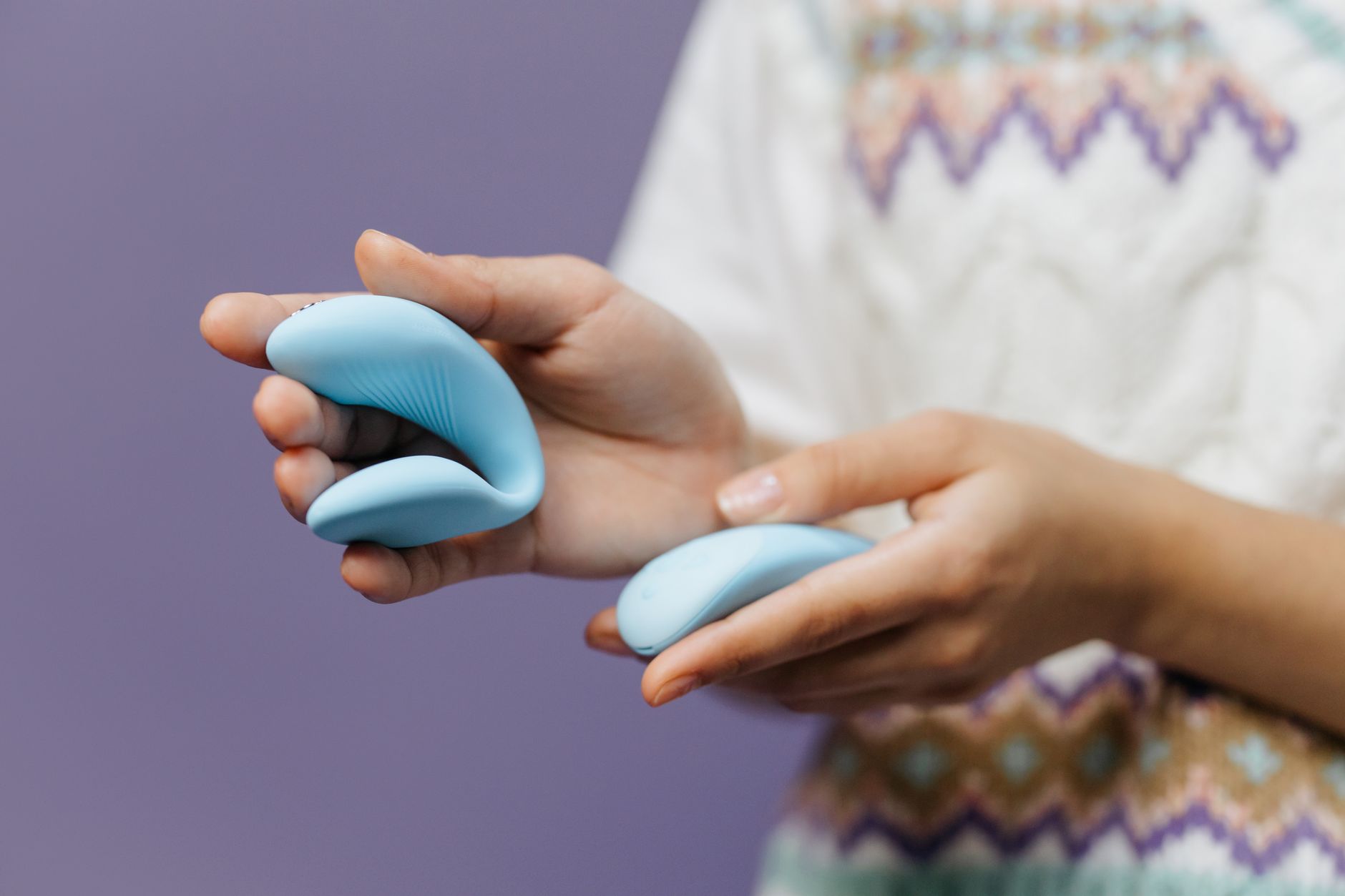
Once you've had the conversation, actually showing them how it works removes a lot of mystery. A lemon clitoral vibrator like the one from My Lem Toy operates on air-suction technology, not vibration. That's actually an advantage here.
"This isn't a vibrator in the traditional sense. It works through suction and pulsing. Watch." Show them how it feels on your arm or hand first. Let them hold it. Let them see it's not intimidating.
Then, when you use it together, give them a role. "Sit like this. I'll guide it." Or "You can hold it while I..." Partners who feel useful tend to be less insecure. They're not sitting outside the experience; they're inside it.
If they want to use it on you, that's often when skepticism actually flips to enthusiasm. Suddenly they realize you're more responsive, you're having a different kind of pleasure, and they get to be part of orchestrating that. It's a turn-on for most people.
Here's something your new partner needs to understand: using a toy doesn't mean you want to use it every time. Some sessions will be just you and them. Some nights you'll use it alone. Some nights you'll invite them into it.
That variability is actually healthy. It keeps sex from becoming predictable and it honors the fact that your body and desires change. The toy isn't a replacement for partnered sex. It's an expansion of what you're both capable of.
Also be clear that your own pleasure is non-negotiable. If someone is threatened by a tool that helps your body feel better, that's information about whether they prioritize your happiness. That's the real conversation, not whether the toy itself is right or wrong.
Introducing a lemon vibrator early signals something important to your partner: you know what you like, you're not ashamed of it, and you expect them to be a collaborator in your pleasure, not the sole architect of it.
That's actually incredibly attractive. It's the opposite of the high-maintenance, hard-to-please anxiety. You're saying "here's what works for my body, let's figure out how to make this fun for both of us."
Most secure, healthy partners will respect that. Some will be intrigued. A few might need time to adjust. Give them that. But don't wait around indefinitely for someone to accept a core part of how you experience pleasure.
The right partner for you is someone who gets excited about the fact that you know yourself. The lemon clitoral vibrator becomes not a potential wedge between you, but a shared tool for exploring what you're both capable of.
That conversation will tell you everything you need to know about where this relationship is headed.
Unless you frame it that way. A toy is an addition to partnered sex, not a replacement for it. Most partners actually feel more confident knowing how to pleasure you well. If someone is threatened, that's worth examining together early on.
You have a choice to make. Some people have genuine moral or trauma-based reasons for avoiding toys. If that matters more to you than the relationship, it's a compatibility issue. If you can live without toys in partnership (while using them solo), you can negotiate. Don't suppress yourself permanently, though. Resentment kills attraction.
After you've had sex a few times but before patterns feel locked in. Usually weeks two to four. Avoid mid-sex or tense moments. Pick a calm conversation where you're both relaxed and can think clearly.
No. Mention it first, gauge their reaction, then decide how much to reveal. Some people will want to see and hold it. Others might need a bit of time before you bring it into the bedroom. Follow their comfort level while also maintaining your own boundaries.
Involve them. Let them hold it, direct it, or use it on you. Partners feel less defensive when they're not passive bystanders. Show them how it works on you first so they see the pleasure response. That usually turns curiosity into enthusiasm.
Be honest. "I like the control of doing this myself, but I love that you're here watching." Or suggest trying both. You're allowed to have preferences about your own body. A partner who respects that is someone worth keeping around.
Using a lemon clitoral vibrator in a new relationship isn't a risk to your connection. Hiding a core part of how you experience pleasure is. Shame is what damages intimacy. Honesty, even about things that feel vulnerable, is what builds it.
Bring it up. The conversation will be easier than you think, and the person worth being with will get it. If they don't, you'll know something important about compatibility before you invest months pretending to be someone you're not.
Your pleasure matters. That's not selfish. That's the foundation of a relationship that actually works.