Let's be real. Healing from relationship trauma isn't linear, and it definitely isn't quick. One of the parts nobody talks about is what happens to pleasure. Not just during sex. Pleasure in your body, full stop. The capacity to feel good, to be touched, to experience sensation without your nervous system screaming danger.
When you've been betrayed, hurt, or violated by someone intimate, your nervous system learns to protect you by staying hypervigilant. That's not a flaw. That's your body doing its job. But the job gets stuck on.
Your brain classifies touch as a threat. Your pelvic floor tightens. Arousal becomes harder to access because arousal requires a baseline of safety that your body doesn't feel anymore. You might notice that solo pleasure is different than it was before. Maybe you feel numb. Maybe touch feels too intense. Maybe you want it until the moment it's about to happen, then panic shuts the door.
This is called sexual trauma response, and it's not a sign you're broken. It's a sign your nervous system is doing exactly what it's designed to do when it's learned that vulnerability = danger.
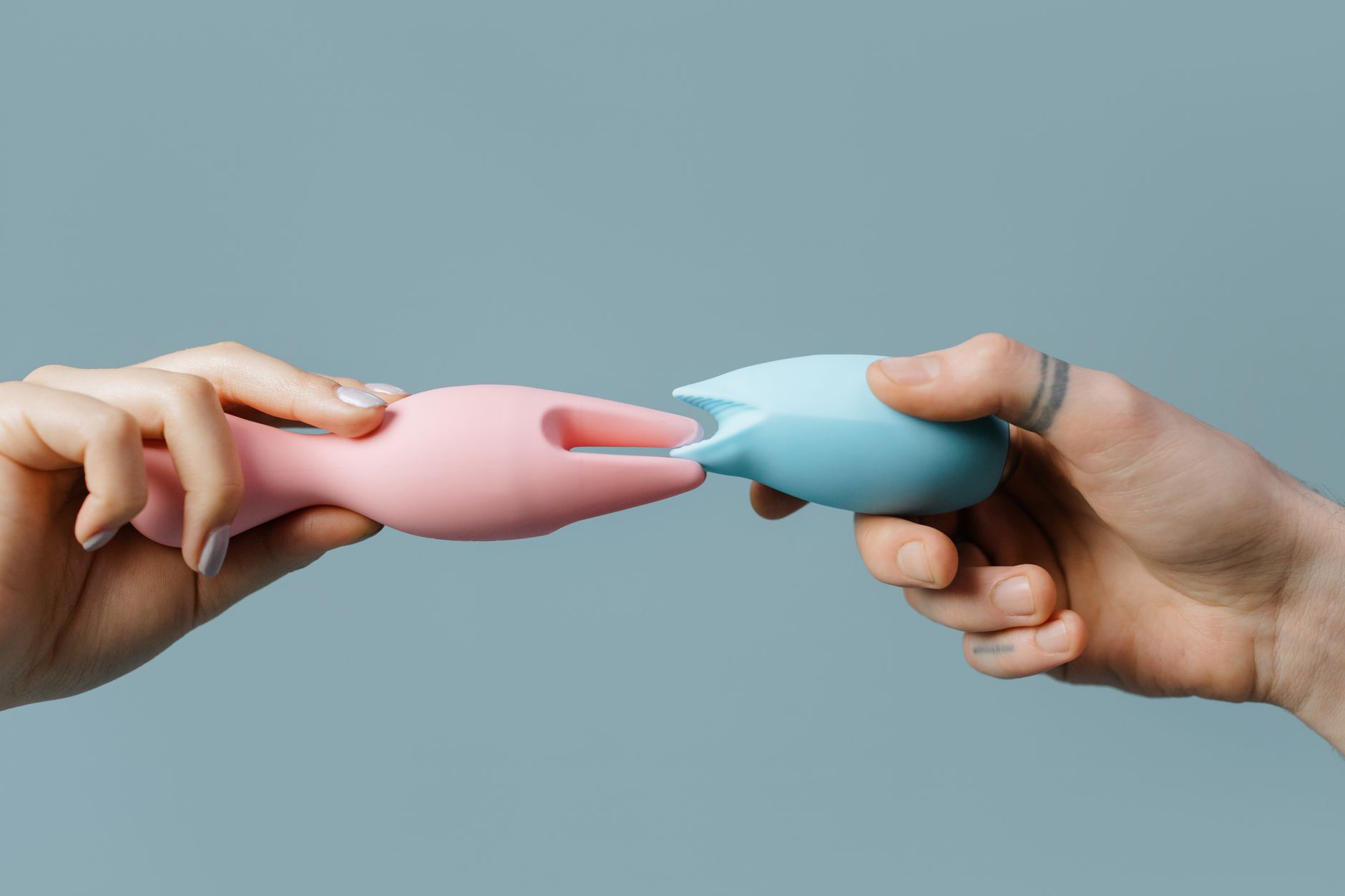
Here's the thing about lemon vibrators specifically. They give you three things that matter in trauma recovery.
First, control. You hold it. You set the speed. You stop it whenever you want. There's no negotiation, no performance, no one else's rhythm to sync with. That might sound small, but for someone whose body has learned that losing control means pain, regaining unilateral control over your own pleasure is profound.
Second, sensation without penetration. Penetration can trigger trauma responses even when intellectually you know you're safe. The clitoral suction and vibration from a lemon vibrator or similar device work entirely externally. There's no vulnerability of internal space. Your pelvic floor doesn't have to choose between relaxing and bracing.
Third, graduated exposure. You can start at the gentlest setting and notice what your body can handle. You're not asking for trust. You're building it, slowly, with evidence.
When trauma happens, the neural pathways between arousal and safety get severed. Your brain stops recognizing pleasure signals as benign. Using a clitoral vibrator like the Lem gives your nervous system repeated, controlled evidence that sensation can happen without danger.
This is called somatic experiencing in clinical terms, but really it's just your body learning a new story through repetition. Each time you use a lemon vibrator solo and nothing bad happens. Each time you set the boundary at a low intensity and honor it. Each time you stop and your body trusts that stopping works. That's rewiring.
The suction motion of devices like the Lem is particularly useful here because it doesn't require the same kind of vulnerable surrender that traditional vibration does. It's stimulating without being invasive. For someone rebuilding trust in their own pleasure, that distinction matters.
If you're new to this after trauma, here's what I recommend.
Week one: just presence. Get the device. Charge it. Keep it somewhere you can see it. The goal is to reduce the shame or fear around it being in your space. No pressure to use it.
Week two: external exploration. If you feel ready, use it over clothing or just externally against the vulva, starting at the lowest setting. Two to five minutes. Notice what happens. Does your body feel safe? Does arousal build or does panic rise? There's no wrong answer. You're gathering data.
Week three and beyond: permission to feel. Start building sessions that feel good without rushing to orgasm. Pleasure for its own sake. If arousal builds, great. If it doesn't, that's information too. You're not trying to fix yourself. You're trying to restore the baseline that says your body is allowed to feel good.
Some people heal faster. Some take months or longer. Both are normal.
If you're partnered and healing from trauma within that relationship, that's a conversation you need to have before you bring pleasure tools into the bedroom. Have you rebuilt enough safety to be vulnerable together? Have you addressed what happened? Are you both committed to the healing process?
If the answer to those questions is not a solid yes, using a lemon vibrator with your partner might actually reinforce the nervous system's message that this person can't be trusted with your pleasure. That's not healing. That's retraumatization.
If the answer is yes. If you've done work together and your partner understands that you need to rebuild on your terms, then a clitoral vibrator can actually be a tool for reconnection. But that's a later-stage conversation, not an early one.
Here's what I see most often in my practice. Someone heals enough to want pleasure again. They get a lemon vibrator or another tool. And then guilt shows up. Guilt that they're not using it "right." Guilt that they're healing slower than they think they should. Guilt that their partner isn't part of this process. Guilt that pleasure doesn't feel the way it used to.
That guilt is the trauma talking. Not the truth.
Your pleasure belongs to you. Your healing timeline is your own. The fact that you're rebuilding your capacity to feel good is an act of resistance and reclamation. There's no wrong way to do that.
If a lemon vibrator helps you remember that your body is yours and that sensation can be safe, then that's exactly what it should be doing.
Yes, it can. That's actually important information. If you find yourself panicking or dissociating during solo pleasure, pause. There's no shame in that. Your nervous system is telling you that this particular approach isn't the right one right now. Try something gentler, or work with a trauma-informed sex therapist to understand what's happening. The goal is to help your body feel safer, not to push through discomfort.
There's no timeline. Some people regain their baseline within weeks. Others take months or years. It depends on the depth of the trauma, your support system, whether you're in therapy, and how your particular nervous system processes information. Instead of asking how long it should take, ask: am I feeling incrementally safer in my body? That's the real measure.
Completely normal. Numbness is a common trauma response. Your nervous system is protecting you by dampening sensation. That doesn't mean something's broken. It means your body is prioritizing survival over pleasure, which makes sense. With time, patience, and often professional support, that usually shifts. Using a tool like a lemon vibrator gently and consistently can help train your nervous system that sensation is safe.
No. Full stop. Healing from trauma is not about performing recovery or meeting someone else's timeline. If using a vibrator feels like another obligation, stop. The only pressure here should be self-compassion. If you want to try and it doesn't feel right, wait. Your body will let you know when it's ready.
Yes, but timing and consent matter deeply. If you and your partner are rebuilding trust after betrayal, using a lemon vibrator together needs to happen only when both of you feel genuinely ready. It should never feel like a performance or a test. It should feel like collaboration toward shared pleasure. If it feels any other way, wait longer.
Books, online communities, and self-study can help. Start with literature on trauma-informed sexuality. Know that solo pleasure is valid and healing. Start small with tools like clitoral vibrators at low intensities. Journaling about what you notice in your body helps. If you ever feel like you're spiraling, reaching out to a therapist through online platforms or sliding-scale services is worth exploring. You don't have to do this alone, and you don't have to be "bad enough" to deserve support.
Your body is not broken. Pleasure is not something you've lost forever. It might look different than it did before. It might take longer to build. It might need more intention and safety. But it's still there.
A tool like a lemon vibrator isn't a magic fix. But it can be a way to tell your nervous system that your body is yours again. That sensation is possible. That you get to decide what happens in your own space. That's not trivial. That's the foundation of healing.
If you're navigating this, be patient with yourself. Consider working with a trauma-informed therapist alongside any physical tools. And know that thousands of people have rebuilt their pleasure after harm. You're not alone in this, and your healing matters.
Want to talk through what approach might work best for your specific situation? Reach out to us. We're here to listen without judgment.