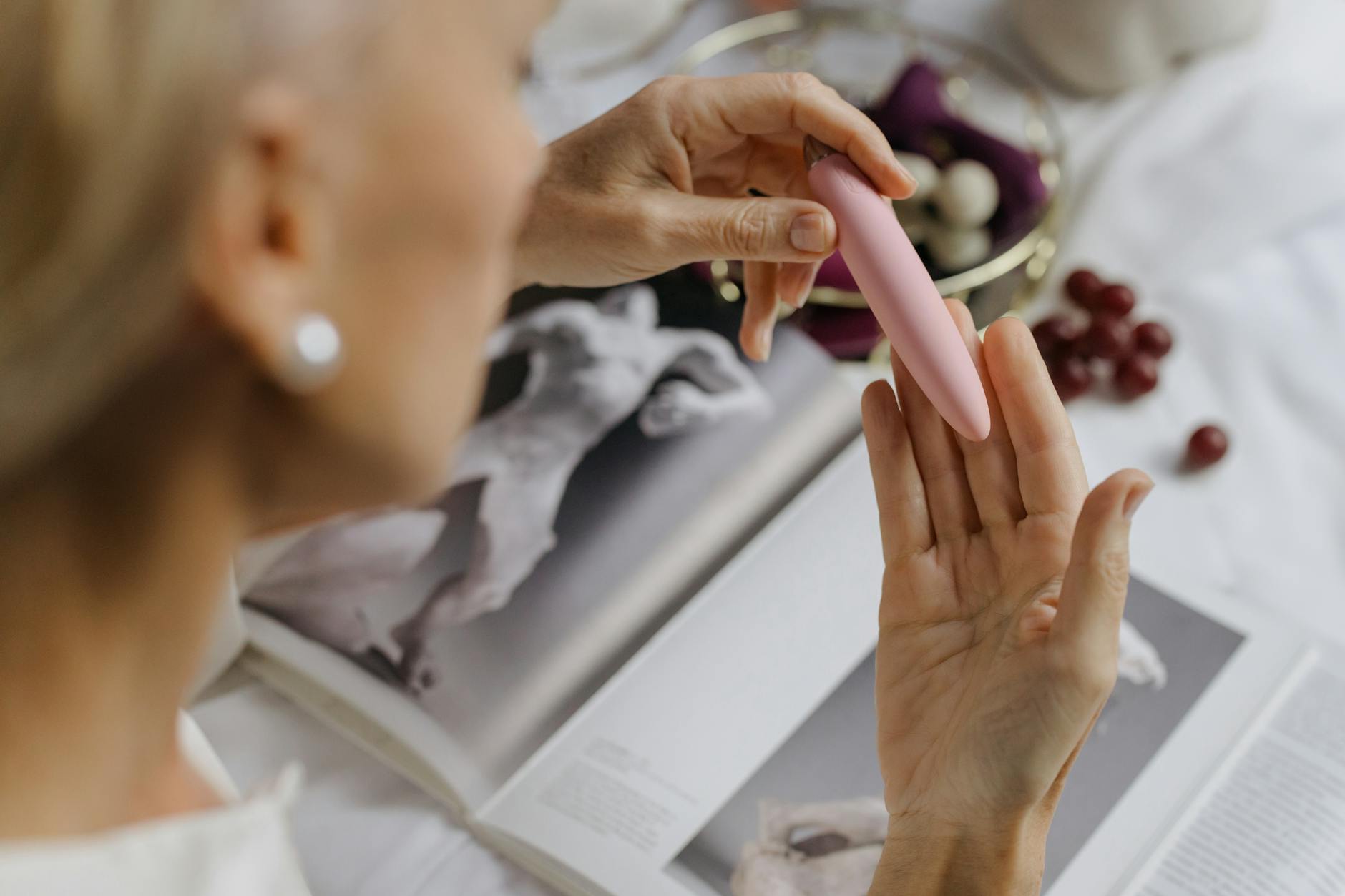
How Lemon Vibrators Work Better When You're Postmenopausal
Your body changes after menopause. Lemon clitoral vibrators were designed for this exact shift. Here's what actually happens and why sensation often feels deeper than before.
The moment after menopause ends, something shifts. Not backwards. Sideways. Your body's arousal machinery runs on a different fuel now, and honestly, most people never get the memo that this can be better than before.
Here's the thing: postmenopausal bodies produce less estrogen and almost no menstrual cycle hormones. This means tissue gets thinner, lubrication takes longer to build, and the clitoris sits slightly differently in its hood. These are real physical facts. They're also not a problem. They're a setup.
Lemon clitoral vibrators, including My Lem Toy's signature lemon vibrator, use suction and gentle pulsing rather than intense vibration alone. This matters enormously for postmenopausal bodies because they don't require the same direct pressure on thinning tissue that older vibrator designs do.
When estrogen drops, the clitoral tissue becomes more sensitive to blunt force. Not in a good way. Direct vibration against delicate tissue can feel overstimulating, almost painful, or strangely numb at the same time. Suction works differently. It creates a seal and draws blood into the area, which naturally increases sensitivity while protecting the tissue underneath. The sensation builds gradually instead of hitting you all at once.
Postmenopausal bodies also benefit from extended warm-up. Where you might have built arousal in 10 minutes before, you're now looking at 20 to 30 minutes. This isn't a sign something's broken. It's just the new timeline. A lemon vibrator's adjustable intensity (usually a few pattern options) lets you start low and build gradually, which actually matches your body's natural arousal pace now.
Vaginal atrophy is a term that gets thrown around in medical offices like you should recognize it. Let me translate: the vaginal tissues get thinner and the walls produce less natural mucus. Your clitoris and vulva are affected too. The tissue becomes more fragile but, oddly, often more responsive once you understand how to work with it.
This is where people get confused. Fragile doesn't mean broken. It means you need a different tool. A lemon vibrator's suction design works with this change instead of fighting it. You're not pounding sensitive tissue. You're creating gentle suction that brings sensation without requiring intense friction.
The good news? Many postmenopausal people report their most intense orgasms come after this tissue shift. It sounds impossible. It's not. The clitoris has 8,000 nerve endings, and they don't retire after menopause. They just need a different kind of attention.
Postmenopause, natural lubrication becomes less reliable and takes longer to appear. This used to be treated like a loss. Actually, it's an invitation to slow down in ways a lot of people never gave themselves permission to before.
Water-based lubricant becomes a genuine ally now, not a workaround. Use it generously. It protects the tissue and makes the suction action of a lemon vibrator even smoother. The combination of lube plus gradual suction equals sensation that builds instead of shocks.
Take 20 to 30 minutes for foreplay. Touch your entire body. Let arousal build on its own timeline. Postmenopausal bodies often reward this patience with deeper, more full-body pleasure than the quick-activation years allowed.
Most lemon sexual toys have adjustable intensity for a reason. Postmenopause, you'll probably want to start at pattern 1 or 2 instead of maxing out. Your tissue is more sensitive now, not less. The sensitivity is just different. It's concentrated rather than spread across a broader range.
What this means practically: begin on the gentlest setting. Let the suction do the work. Move up one pattern if you want more intensity. Many postmenopausal bodies find they prefer staying at lower intensities because the sensation feels sharper and more focused. You're not chasing numbness. You're chasing precision.
This is one of the big reasons lemon vibrators outperform traditional vibrators for postmenopausal bodies. The suction mechanism gives you finer control. You're not choosing between "not enough" and "too much." You've got a real range that actually fits your body.
Your pelvic floor muscles sit on less estrogen now, which changes how they contract and relax. Kegels still matter, but so does the opposite: learning to release tension fully. Postmenopausal bodies sometimes develop pelvic floor tightness because the tissue is vulnerable and your nervous system tenses up to protect it.
This creates a weird paradox. You need the muscles relaxed for maximum pleasure, but they want to grip when they feel threatened. A lemon vibrator's gentle approach can actually help here. The light suction and low initial intensity tell your nervous system that this is safe. Gradually, the pelvic floor relaxes, and sensation deepens.
If you find yourself tensing up during sex, try breathing exercises before using a lemon clitoral vibrator. Slow, deep breaths for two minutes. Let your pelvic floor release. Then start your device on the lowest setting and let sensation build naturally.
Postmenopause often arrives with a weird grief. Society tells you your sexuality just ended. Your body tells you something different. There's relief (no period tracking, no fertility anxiety), but there's also a loss of the hormonal surge that used to make arousal feel automatic.
Here's what I see in practice: people who grieve this transition tend to struggle with pleasure. People who get curious about what their postmenopausal body actually wants tend to discover it's more capable than before.
A lemon vibrator is a tool that says yes to this curiosity. It's designed for the body you actually have now, not the one you used to have. Using it is an act of accepting where you are and exploring what's possible from there.
If sex hurts, don't wait. Genitourinary syndrome of menopause (sometimes called vaginal atrophy when it's more severe) is treatable. Topical estrogen creams work fast and have minimal systemic absorption. Your GP or gynecologist can prescribe them in weeks.
If desire has completely flatlined and lubrication feels impossible, mention it. Testosterone therapy exists and is worth discussing, though it's prescribed conservatively. Some postmenopausal people benefit from it. Most find that exploring their postmenopausal body with the right tools is all they need.
Sex shouldn't hurt. If it does, get support. Once the physical pain is managed, pleasure tools like a lemon vibrator make everything better.
Start with 20 to 30 minutes you're willing to spend on yourself with no goal except feeling. Use water-based lubricant. Begin on the lowest intensity. Let your body guide you. Postmenopausal pleasure is often quieter and more internal than what came before. It's not less. It's deeper.
Many people also find that using a lemon vibrator solo first helps them understand their new baseline. You're not negotiating with a partner's timing or expectations. You're learning what your postmenopausal body actually wants. Once you know, partnered sex becomes easier to navigate.
Your best orgasms might actually be ahead of you. That's not inspirational nonsense. That's what the data and the people I work with tell me. You just need the right tool and permission to explore.
Yes. HRT changes the timeline somewhat because you're maintaining more estrogen, which means tissue stays a bit thicker. But many people on HRT still prefer lemon clitoral vibrators because the suction mechanism offers finer control than traditional vibration. Your individual response matters more than the protocol. Start low, adjust as needed.
As often as feels good. There's no minimum or maximum. Some people use them a few times a week for solo pleasure. Others use them with a partner occasionally. The goal isn't frequency. It's pleasure. Use what brings you joy.
Sometimes yes, sometimes no. If desire has vanished alongside hot flashes and sleep disruption, it might be a hormone conversation with your doctor. If desire disappeared for emotional reasons (relationship stress, grief, aging anxiety), that's different. A lemon vibrator can help reconnect you with physical sensation, which sometimes reignites desire. But it's not a magic fix if the root is relational or psychological. Address that separately.
You're actually in a good position. You don't have previous expectations about what vibration "should" feel like. A lemon vibrator's suction design might feel more intuitive than aggressive vibration would. Start solo, take your time, use plenty of lube. Your postmenopausal body is a good place to begin this exploration.
Yes, typically. Water-based lube becomes part of your setup, not optional. Use a generous amount. It protects tissue and enhances the suction sensation. Reapply if it dries out during longer sessions. This isn't a sign something's wrong. It's just the postmenopausal baseline.
They don't treat atrophy medically, but they can help with sensation and blood flow. The suction mechanism increases circulation to the tissue, which can improve how the area feels and responds over time. But if atrophy is severe or causing pain, talk to your doctor about topical estrogen first. The vibrator works better once the tissue is healthier.
Postmenopause isn't the end of your sexual life. It's a plot twist. Your body works differently now, and lemon vibrators were basically designed for this exact shift. They give you the gentle control, adjustable intensity, and gradual sensation-building your postmenopausal body actually wants.
Take your time. Use plenty of lube. Start on the lowest setting. Let arousal build on its own timeline. The pleasure on the other side of menopause is often more intense and more satisfying than what came before. You just need tools and permission to find it.
Your postmenopausal pleasure matters. Your body has earned every bit of joy it can find. A lemon vibrator is just a tool. You're the one doing the real work.
Questions? Reach out at /contact. We're here to help.