How Lemon Vibrators Improve Arousal Response After Cancer Treatment
Cancer therapy changes how your body responds to touch. Here's why suction-based clitoral vibrators help rebuild sensation, arousal, and pleasure on your own timeline.
Cancer treatment changes arousal. Chemotherapy, radiation, hormonal therapy, and surgery all reshape how your nervous system responds to stimulation. Some people report numbness. Others describe feeling disconnected from their body entirely. Many notice that old patterns of arousal simply don't work anymore. And almost everyone feels blindsided by this because no one mentioned it before treatment started.
Here's what I want you to know: rebuilding arousal after cancer is not about forcing yourself back into your old body. It's about meeting your current body with patience and the right tools.
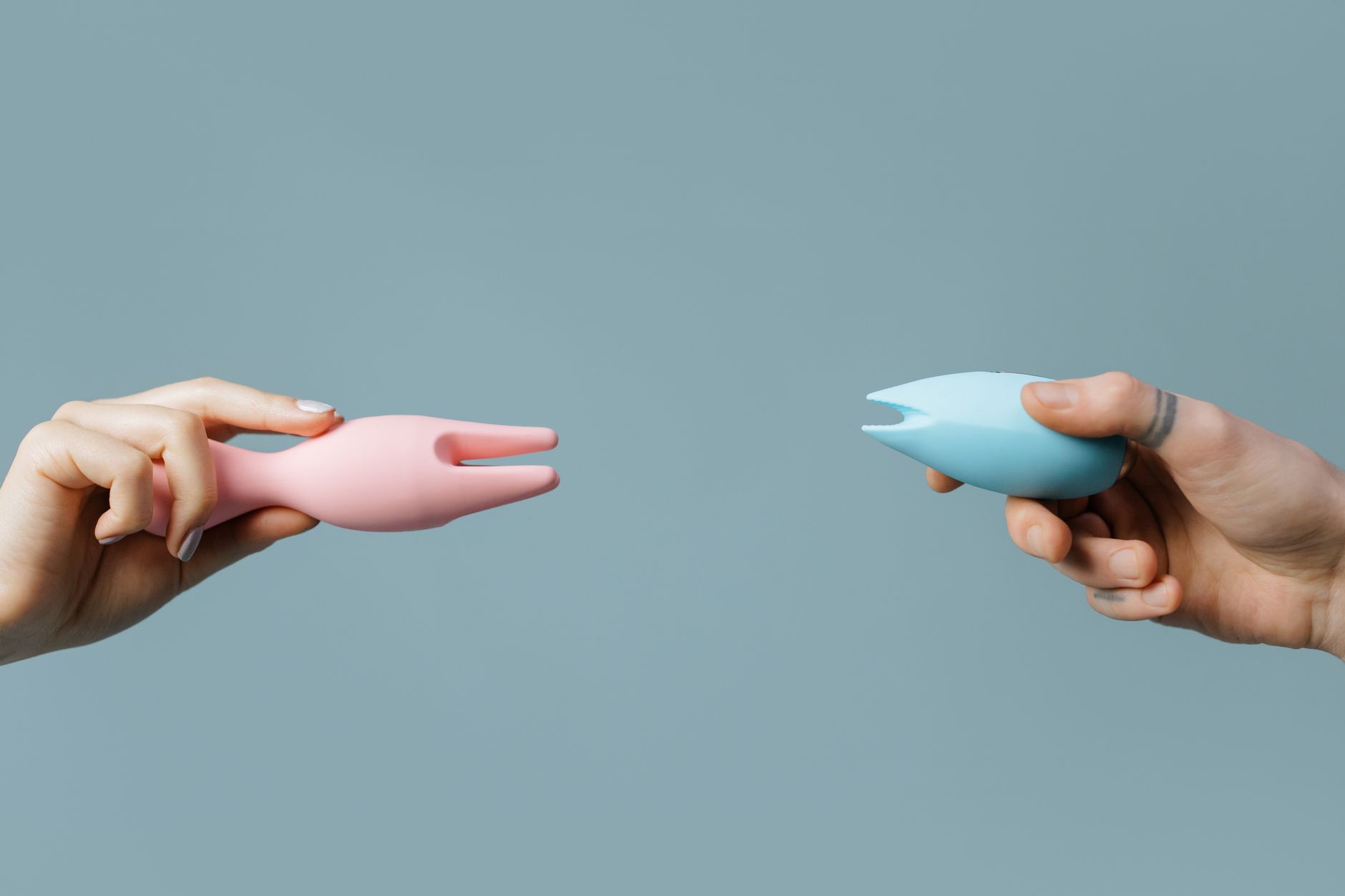
Lemon vibrators, specifically suction-based clitoral vibrators like the Lem, work particularly well during recovery because they stimulate differently than traditional vibration. Let me break down why.
Chemotherapy causes peripheral neuropathy, which means the nerve endings in your genitals can become numb or hypersensitive or somewhere in between. Radiation to the pelvis damages blood vessels and tissue elasticity, reducing natural lubrication and making direct friction feel uncomfortable. Hormonal therapies tank estrogen, which thins vulval tissue and slows arousal response. Surgery removes or scars tissue, changing the whole map of where sensation lives.
The result is that your clitoris might feel distant. Arousal might take twice as long to build. Direct touch might feel too intense or not intense enough. Or you might feel present mentally but completely absent physically, which honestly might be the hardest part.
What many people don't realize is that this isn't permanent. The nervous system has remarkable capacity to rebuild pathways. It just needs the right stimulus and time.
Traditional vibrators work through repetitive mechanical stimulation. They're fast, direct, and they work brilliantly for people with standard sensation. But after cancer treatment, that constant hammering sensation can feel abrasive on recovering tissue or simply miss the mark if your nerve pathways are still recalibrating.
Suction, by contrast, creates a gentle pulling sensation that engages a broader area of the clitoris at once. It's less about the speed and more about the pressure and rhythm. This matters because suction stimulates deeper nerve clusters that vibration sometimes bypasses. For people recovering from treatment, this broader activation often feels more natural and less jarring.
A lemon clitoral vibrator works without requiring the kind of direct contact that can feel overwhelming when you're still healing. The suction mechanism activates nerves gradually, which means arousal can build at its own pace.
Some people regain arousal quickly. Others need months or even a year or more. There is no "right" timeline, and comparing yourself to your pre-cancer body will only frustrate you.
What I see clinically is that people who rebuild intimacy after cancer do three things consistently. First, they separate healing from performance. Second, they introduce the right tools early in recovery rather than waiting to feel "ready." Third, they communicate with their partner about what's changing, not just what's wrong.
Starting with a lemon suction toy early in recovery, rather than waiting until you feel like you "should" be aroused, actually accelerates the process. Your nervous system needs stimulus to remember how to respond. The Lem provides that in a way that feels manageable and exploratory rather than demanding.
Start on the lowest setting. This is not the time to prove anything to yourself. Pattern 1 or 2 should be your baseline. Your goal is not orgasm. Your goal is simply to reconnect with sensation.
Use lube. Even if you normally wouldn't, do it now. The tissues are healing, and lube removes friction that can feel uncomfortable. Water-based works perfectly with silicone toys.
Set a time limit. Five to ten minutes is enough. You're not trying to go the distance. You're teaching your nervous system that this kind of stimulation exists and that it's safe.
Notice what you notice without judgment. Numbness is information, not failure. Mild tingling is progress. Mild discomfort means adjust the pattern or stop. You're literally rebuilding the conversation between your brain and your body. It takes time.
This is a conversation, not a surprise. Tell them what's changed and what you're doing to rebuild sensation. Let them know that this has nothing to do with desire for them and everything to do with nervous system recovery. Many partners feel rejected when arousal slows after treatment. Clarity prevents misunderstanding.
You might explore together, or you might need space alone first. Both are valid. But the conversation itself often rebuilds more intimacy than the physical reconnection does.
Neuropathy from chemotherapy sometimes resolves within months. Sometimes it takes years. Tissue damage from radiation is slower to heal but does improve with time and gentle stimulation. Hormonal recovery depends on whether you're on ongoing therapy or if treatment has finished.
What many people notice is that arousal response gradually returns around the 6 to 12 month mark after treatment finishes. This is not universal, but it's common enough that you're not alone if this matches your timeline.
Regular use of a lemon clitoral vibrator during this window seems to accelerate recovery. I suspect this is because consistent, gentle stimulation helps rebuild nerve pathways faster than waiting passively. But you'll know your own body better than any timeline.
Cancer steals permission. You've been in survival mode. Your body has been poked and scanned and treated. The idea of pleasure might feel frivolous or even impossible right now. It's not.
Rebuilding arousal after cancer is an act of reclaiming your body. It's not indulgent. It's healing. And that shift in mindset, where you move from "my body failed me" to "my body is recovering and deserves attention," is often what unlocks the physical reconnection.
If shame or trauma around treatment is blocking pleasure, therapy helps. A sex therapist or somatic practitioner who understands cancer recovery can make a huge difference. You don't have to white-knuckle this alone.
Order a lemon suction vibrator. Start with the lowest pattern. Use it alone first, without pressure to perform or reach any particular destination. Five minutes, twice a week, is enough to begin.
Notice sensations without chasing them. Your nervous system is learning. Patience accelerates the process more than force ever will.
If discomfort appears, stop and give yourself a few days. If numbness persists beyond a few months post-treatment, mention it to your oncologist or a pelvic floor physical therapist. Sometimes targeted PT helps rewire sensation faster.
And if you want to explore partnered intimacy, move slowly and talk constantly. Your partner is learning your new body too.
Talk to your oncology team first. If you're undergoing chemotherapy or radiation, they might ask you to wait until treatment finishes or specific milestones pass. Most teams clear patients for sexual activity once they're feeling physically able, but the timeline varies based on your specific protocol.
It varies widely. Some people feel shifts within weeks. Others need 6 to 12 months or longer. Chemotherapy-related neuropathy can take years to fully resolve. The important thing is that improvement happens gradually, not that it happens on a particular timeline.
Your old vibrator was designed for your pre-cancer body. After treatment, sensation changes. Suction spreads stimulation over a broader area and engages deeper nerve clusters, which often feels more manageable when you're healing. It's not that traditional vibration is wrong. It's that suction better matches your current nervous system state.
Generally yes, but check with your oncology team or physical therapist first. If you have significant lymphedema affecting your pelvic region, they might have specific recommendations. Most people with lymphedema in other areas can use clitoral toys without issue.
Persistent loss of arousal can have multiple causes: ongoing hormonal therapy, psychological trauma from treatment, relationship strain, or persistent neuropathy. A combination of pelvic floor physical therapy, sex therapy, and oncology follow-up often helps. You don't have to accept that this is permanent. There are tools.
Completely normal. Cancer and its treatment are traumatic. Your nervous system is in recovery mode. Your mind might be protecting itself. This emotional disconnection often resolves as your body heals and as you process the experience. Therapy, movement, and time all help. Using a lemon clitoral vibrator is a gentle way to signal safety to your nervous system.
Your body just survived something hard. Rebuilding arousal is not a return to normal. It's a new version of pleasure, built on your current body, at your current pace. That might look different from before. It might be richer. It might take longer to build. But it's there, waiting.
If you want to talk through what this looks like for you specifically, my team is here. Reach out at /contact and let's figure out what you need next.