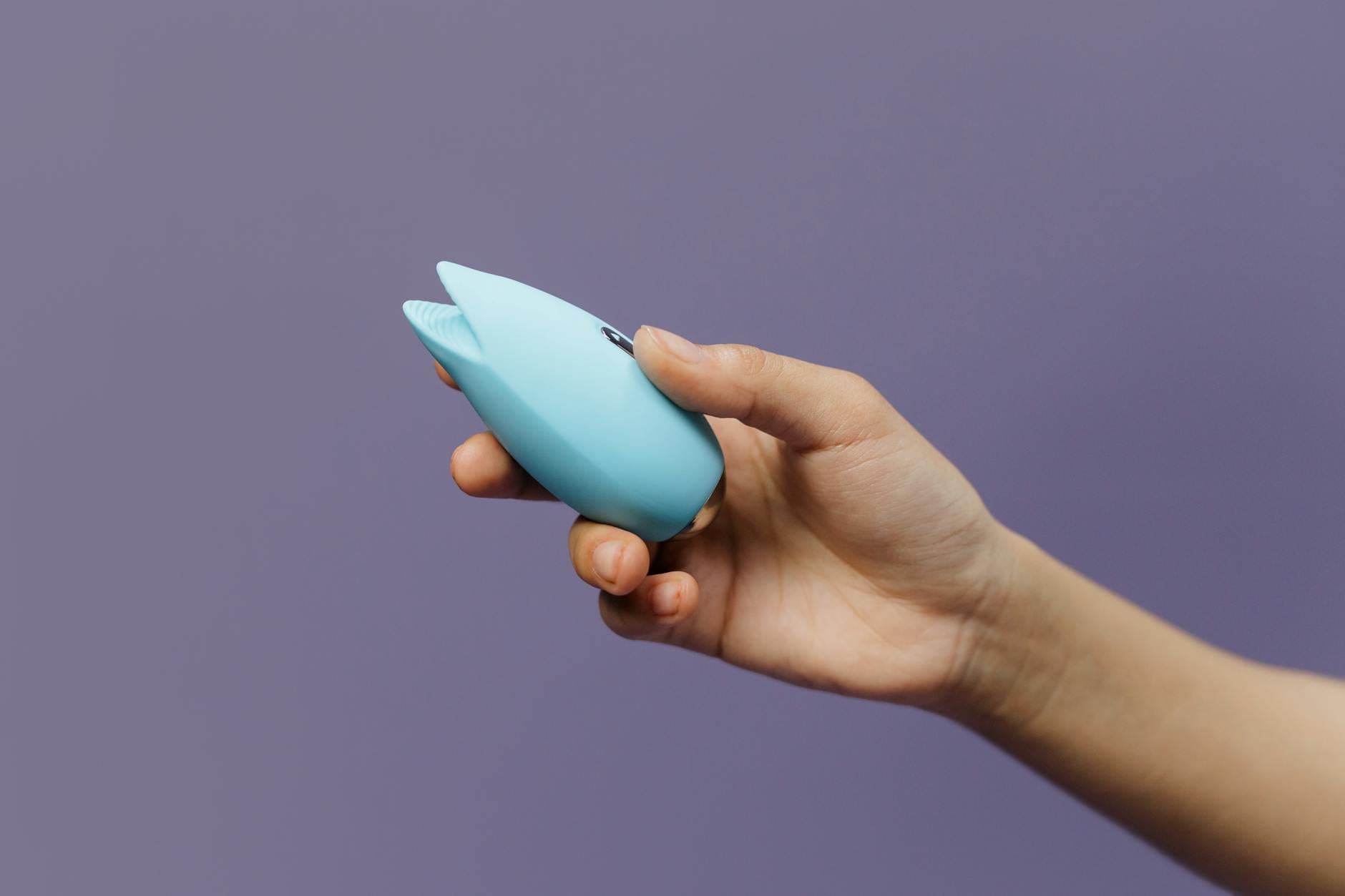
How Lemon Vibrators Help During Pelvic Floor Physical Therapy
When pelvic floor PT numbs your sensation, lemon vibrators and suction-based stimulation can help rebuild nerve sensitivity and reconnect you to pleasure safely.
Pelvic floor physical therapy is one of the best decisions you can make for your body. It's also one of the most counterintuitive: you're paying someone to essentially undo years of tension you didn't even know you had. The catch is that during and after PT, your pelvic floor can feel weirdly numb.
Your clitoris might feel distant. Orgasms might disappear entirely, or feel muted. Even basic arousal can feel like you're watching pleasure happen to someone else's body. Here's what's actually going on, and why lemon vibrators and suction-based toys are often the gentlest, most effective way to rebuild sensation during recovery.
Pelvic floor physical therapy works by teaching your muscles to release tension they've held for years. A therapist uses internal massage, stretching techniques, and sometimes biofeedback to help you understand which muscles are clenched and how to consciously relax them.
But here's the problem: those muscles are wrapped around nerves. The clitoral nerve bundle runs directly through pelvic floor tissue. When your PT is working on releasing that muscle tension, they're also temporarily desensitizing the nerves that travel through that area. It's like when you sit on your leg too long and it falls asleep. The pins-and-needles phase is your nerve waking back up.
During active pelvic floor therapy, you might experience:
A dulled or absent sensation at the clitoris
Difficulty achieving arousal even when you want to
Orgasms that feel shallow or require intense pressure
A feeling of disconnect between your mind and your body's response
Soreness or tenderness that makes traditional vibrators feel too harsh
This is temporary. But it can last anywhere from a few weeks to several months, depending on how tight your pelvic floor was to begin with.
A lemon vibrator uses suction and gentle pulse patterns rather than direct vibration. This matters enormously during pelvic floor recovery because suction stimulates nerves without putting mechanical pressure on tender, still-healing tissue.
When you're in the middle of pelvic floor PT, your tissues are already irritated. A traditional vibrator sends rapid vibrations directly into tissue that's been worked on, compressed, and stretched. It's like knocking repeatedly on a door that's already creaking open.
Suction works differently. It creates a gentle vacuum seal over the clitoris and then releases, then seals again. The stimulation happens through pressure changes rather than friction or vibration. For a nerve that's been desensitized or overstimulated, this gentler approach can actually help it wake back up without triggering soreness.
Studies on clitoral sensitivity show that suction-based stimulation engages different nerve pathways than traditional vibration. For people rebuilding sensation during PT, this matters because you're not just replicating the same stimulus your body has been avoiding. You're introducing a new type of signal that can help activate dormant nerve endings.
Don't start using any toy during the first two to three weeks of pelvic floor PT. Your tissues need space to begin releasing tension without additional input. Introduce gentle touch and sensation work once your PT gives you the green light (usually after your third or fourth session, when the acute inflammation has calmed down).
When you do start, use the lowest setting on a lemon clitoral vibrator. You're not going for orgasm. You're reintroducing sensation safely. Spend five to ten minutes, once or twice weekly, with the toy on the lowest pulse pattern. The goal is to help your nervous system remember that clitoral stimulation can feel good without being painful.
Your PT might even recommend this directly. Many specialists now understand that suction-based toys are useful during recovery specifically because they don't aggravate tissue the way traditional vibrators can.
Hypertonic pelvic floor (too much tension). If your PT diagnosed you with a clenched, overly tight pelvic floor, the last thing you need is intense stimulation. A lemon vibrator's gentle suction helps retrain the nerves that control that muscle group to relax gradually. The sensation builds without forcing anything open.
Post-trigger-point release. Internal trigger-point work can leave your clitoris feeling bruised and numb. A low-setting lemon vibrator helps the nerve pathways that run through that tissue wake back up without reinjuring freshly released muscle.
Recovering from pelvic pain conditions. If you started PT because of pain during sex, vaginal pain, or vulvodynia, your nervous system has learned to see clitoral touch as a threat. A suction toy's gentler signal can help reprogram that fear response. It's not forcing pleasure. It's introducing a different sensation that doesn't register as dangerous.
Rebuilding arousal after numbness. Many people report that halfway through PT, arousal comes back but orgasm doesn't. Your body is waking up, but the final pathway to climax still feels blocked. Using a lemon vibrator on low settings during this phase can help bridge that gap without pushing too hard.
Always get your PT's okay first. Not all pelvic floor specialists will recommend toy use during treatment, and that's fine. Some prefer to wait until after PT is complete. Respect your therapist's protocol. But if they agree, here's the framework.
Start with external stimulation only. Don't insert anything. Your goal is to rebuild sensation at the clitoris specifically, which is where most PT work affects sensation first.
Use water-based lubricant every single time. During and after pelvic floor PT, your tissue is more sensitive to friction. Lubrication isn't luxury. It's harm reduction. Apply it generously.
Keep sessions short: five to fifteen minutes, twice weekly maximum. More is not better. You're not training for intensity. You're training your nervous system to recognize safe pleasure.
If you feel soreness afterward, stop and wait a week. Soreness means you pushed too hard or too soon. Resume at an even lower intensity when you restart.
Don't use it as a sleep aid or distraction. Use it as a conscious, intentional reconnection with your body. Lie down, be present, and notice what sensation feels like as it's returning.
Your clitoris has about eight thousand nerve endings concentrated in a space smaller than a pea. When pelvic floor tension compresses those nerves, sensation dulls. When PT releases that compression, those nerves can fire again, but they're hypersensitive at first.
Traditional vibration triggers rapid, repeated nerve firing. For an already-irritated nerve, that's like turning up the volume on a speaker that's already at full blast.
Suction creates a different pattern: a vacuum seal followed by release, in a rhythm. This pattern activates the same nerve pathways but at a gentler intensity. It's the sensory equivalent of starting physical therapy at a manageable weight rather than jumping to heavy lifting.
Research on vibrotactile sensation (how your skin interprets vibration and pressure) shows that varying the type of stimulus helps nerves recover faster than repeating the same stimulus. That's why adding a lemon vibrator during PT, when you might otherwise use nothing, actually accelerates the reconnection to pleasure.
Once your pelvic floor PT is complete (usually after 6 to 12 weeks), sensation should be largely restored. At that point, you might find that a lemon vibrator feels less necessary. You can continue using it if you love it. But you'll also likely be able to tolerate faster vibrations or more intense stimulation without discomfort.
The lemon vibrator's real value during PT is that gentle bridge between "nothing feels good" and "my body is mine again." Once pleasure is back in full, the toy becomes a choice, not a crutch.
No. If you're having pain, your tissues aren't ready for any toy stimulation. Pain during PT is a signal to tell your therapist. They might adjust technique, reduce intensity, or recommend you wait a few weeks before introducing sensation work. Only move to toy use once pain has subsided and your PT gives the green light.
A lemon clitoral vibrator uses suction and pulse patterns rather than rapid vibration. During pelvic floor PT, that difference matters because your tissues are already irritated. Suction stimulates nerves without the same mechanical friction that a wand would create. It's gentler on healing tissue while still helping rebuild sensation.
No, but overuse might. If you're only using it once or twice weekly at the lowest setting, you're actually supporting recovery by helping your nervous system re-engage with sensation gradually. If you're using it daily at high intensity, you're working against PT by irritating the same tissue your therapist is trying to calm.
Yes, but only with your PT's approval and on the absolute lowest setting. People with vaginismus or excessive pelvic floor tension often have a nervous system that's interpreting touch as a threat. A lemon vibrator's gentler suction can help, but it needs to be introduced very slowly and under professional guidance. Start with external use only.
That's rare but not unheard of. Some people need an additional two to four weeks of at-home sensation work after formal PT ends. Using a lemon vibrator at low intensity during this time, combined with mindfulness practices, can help. If sensation still hasn't returned after eight weeks post-PT, talk to your therapist about seeing a specialist who focuses on post-PT rehabilitation.
Discomfort (not sharp pain, but an odd or unfamiliar sensation) is common. You're reintroducing nerve pathways that have been quiet. That might feel tingly, numb, or strange at first. Discomfort usually settles after two or three uses. Sharp pain means you've started too intensely or too soon. Scale back and try again in another week.
Pelvic floor physical therapy changes your body in ways that feel invisible until you try to feel pleasure again. That numbness is temporary, and it's treatable. Using a gentle lemon vibrator or suction-based toy during your recovery can be the bridge between "nothing works" and "I'm back." Start low, start slow, and only with your therapist's approval. Your pleasure will return. Sometimes it just needs a little help to remember the way.