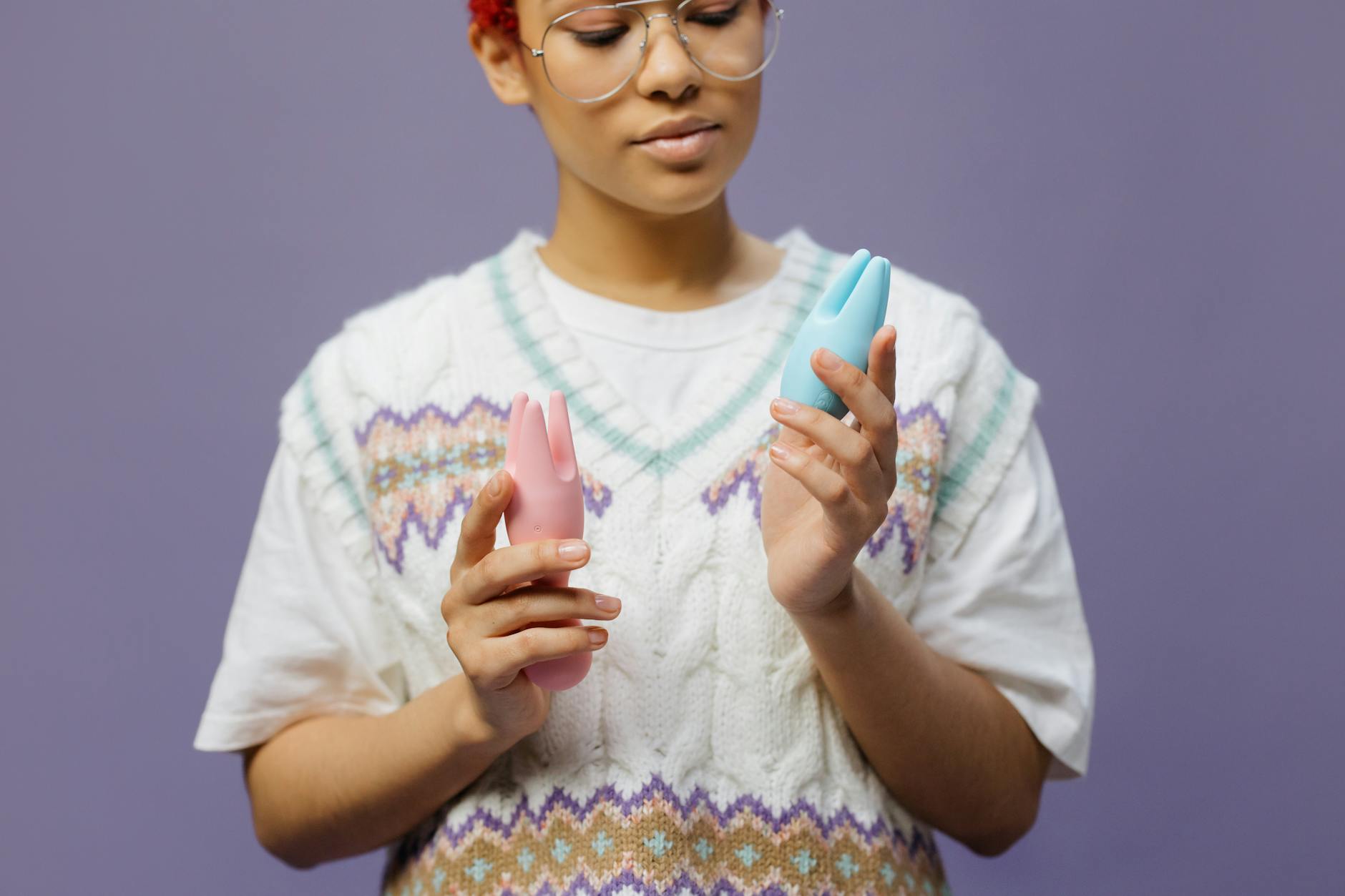
How Lemon Vibrators Feel Different When You Take Anti-Anxiety Medication
SSRIs, benzodiazepines, and other anti-anxiety meds reshape arousal, sensation, and how your body responds to lemon suction toys. Here's what shifts, what's temporary, and what to actually do about it.
You start an SSRI or benzodiazepine for good reasons. The anxiety lifts. Sleep improves. You can actually function. Then, somewhere between week two and week six, you notice something else has shifted too. Arousal feels distant. Orgasms take longer or feel muted. Or worse, nothing happens at all.
This isn't a character flaw. This isn't your body betraying you. This is a documented, common, and largely fixable side effect of the medication that's actually helping your mental health.
SSRIs (selective serotonin reuptake inhibitors) are the most commonly prescribed anti-anxiety and depression medications. Sertraline, paroxetine, fluoxetine, escitalopram. They're also the meds most likely to impact sexual function. Between 40 to 60 percent of people taking SSRIs report some degree of sexual side effect. That's not rare. That's normal.
Benzodiazepines (like alprazolam or lorazepam) work differently. They generally don't kill arousal the way SSRIs do, but they do dull sensation. They're also sedating, which means your nervous system is literally in a calmer, less reactive state. Less reactivity is the whole point for anxiety. But it also means genital sensation gets quieter.
Buspirone, hydroxyzine, and other second-line anxiety meds usually have milder sexual side effects, but it varies wildly person to person.
The mechanism is real: SSRIs increase serotonin circulation, which can dampen dopamine signaling in the reward pathways of your brain. Your clitoris still works. The nerves are still there. But the signal between sensation and pleasure gets a little fuzzy.
Traditional vibrators rely on intensity to cut through. They buzz faster, harder, more aggressive. If your nervous system is already chemically dampened, a conventional vibrator is like trying to have a conversation in a loud room. You're fighting the noise.
Lemon clitoral vibrators use suction, not vibration. The sensation is different in kind, not just degree. Suction creates a gentle pulling sensation that works more directly on the nerve endings without needing electrical intensity to register. For people on SSRIs or benzodiazepines, this often feels more accessible.
Many of my clients report that when they switched from traditional vibrators to a lemon suction toy like The Lem, the dampening effect felt less pronounced. The suction mechanism seems to bypass some of the neurochemical noise and create clearer signal. You're not fighting your medication. You're finding a different pathway.
Slower arousal buildup. Where you used to go from neutral to engaged in five minutes, now it takes fifteen or twenty. This isn't lazy. This is your nervous system being chemically encouraged to stay calm.
Flattened sensation plateau. You can still feel touch, but the intensity curve isn't as steep. The difference between "not feeling much" and "feeling great" becomes narrower. A lemon vibrator's suction mechanism bridges this gap better than vibration does.
Delayed or absent orgasm. The most frustrating piece. Your body still knows how to orgasm. The hardware works fine. But the chemical signal that says "yes, now" gets stuck in traffic. This is called anorgasmia or delayed orgasm, and it's the most common sexual side effect of SSRIs.
Here's what doesn't change: your clitoris. Your capacity for pleasure. Your ability to feel physical affection. The structural hardware is unchanged.
Warm up longer. Budget twenty-five to forty minutes instead of ten. Your body isn't broken. It just needs runway. Read something that turns you on. Have a conversation with your partner. Let your nervous system settle into the idea.
Start with patterns one and two. If you're using a lemon clitoral vibrator, begin at the lowest setting. Your nervous system is already dampened. You don't need more intensity right now. You need clarity. Lower settings often feel clearer because they're less overwhelming.
Use water-based lubricant even if you don't think you need it. Some anti-anxiety meds dry you out a bit. More importantly, lubrication makes every sensation clearer. It's not compensation. It's amplification.
Separate sensation from outcome. Stop tracking whether you're going to orgasm. That pressure makes medication-related anorgasmia worse. Instead, notice: Do I feel tingly? Is there warmth? Am I enjoying this? Shifting from orgasm-chasing to sensation-mapping makes the experience less frustrating and often makes orgasm more likely anyway.
If sexual side effects are severe and persistent beyond six to eight weeks, medication adjustment is worth discussing. Lowering the dose sometimes helps without losing the anxiety benefit. Switching to a different SSRI sometimes makes the difference. Bupropion added to your existing SSRI can actively counter the sexual dampening.
You don't have to choose between mental health and pleasure. These are not opposing forces. A good psychiatrist knows this and will work with you.
Those first three to six weeks? Peak sexual side effects. Your body is adjusting. After eight to twelve weeks, many people notice partial recovery even without changing anything. Your brain builds tolerance to some of the effects. This doesn't mean the dampening disappears entirely, but it often softens.
Some people find that combining consistent use of a lemon vibrator (or other tool that works for their nervous system) with the longer timeline actually restarts sexual satisfaction. The routine of pleasure becomes part of the adjustment period rather than a casualty of it.
Anti-anxiety medication gives you the emotional space to actually feel pleasure when it happens. It removes the static of constant worry that was probably dampening your body's response anyway. Yes, there's a neurochemical trade-off in the first weeks. But the end state for many people is clearer desire than they had before, because their brain isn't constantly in threat-response.
A lemon clitoral vibrator works especially well in this context because suction sensation cuts through the dampening differently than vibration does. You're not fighting your medication. You're finding the frequency your nervous system can hear right now.
Absolutely. Lemon clitoral vibrators often work better than traditional vibrators for people on SSRIs because suction creates a different type of sensation that registers more clearly when arousal is chemically dampened. Start at lower settings and give yourself more warm-up time.
Most people see peak side effects in weeks three to six. Many experience partial recovery by week eight to twelve as the body adjusts. Some people find the effects persist at a lower level indefinitely, which is why tool selection (like choosing a lemon suction toy over a traditional vibrator) matters for ongoing satisfaction.
Yes, for many people. The mechanism matters. Traditional vibrators rely on intensity to overcome neurochemical dampening. Lemon vibrators use suction, which creates a different sensory pathway that often feels more accessible when your nervous system is quieter. It's not about the toy being "better". It's about the sensation matching your current neurobiology.
No. Talk to your doctor instead. There are real options: dose adjustment, medication switching, adding a second medication to counter the sexual effects, or timing adjustments. Your mental health and your pleasure both matter. A good prescriber knows how to navigate both.
Yes. Benzodiazepines typically have milder sexual side effects than SSRIs, though they do dull overall sensation because they're sedating by design. A lemon vibrator's suction mechanism is often gentler and more effective than traditional vibration when your nervous system is chemically calmed.
Often, yes. Tolerance builds. But not always completely, and not on a reliable timeline. That's why working with your doctor and finding tools that work within your current neurobiology (like a lemon suction toy) matters more than waiting for side effects to vanish on their own.
Medication changes everything about your nervous system, including how pleasure registers. That's a real shift, not something to push through or ignore. The good news: lemon vibrators, with their gentler suction mechanism and lower-impact sensation profile, often work better than traditional vibrators in this exact situation. Pair that with patience, longer warm-up, and honest conversations with your doctor, and pleasure stays possible.
If you're noticing changes in arousal or sensation after starting anti-anxiety medication, you're not broken. Your body is just speaking a different language right now. Learning that language is part of the adjustment. For more on how different tools work with different nervous systems, explore how lemon vibrators compare across various situations on the My Lem Toy blog, or get in touch at /contact if you want to talk through what might work for your body.
Mohamed El Abdellati et al. "Sexual dysfunction in depression and anxiety: Pharmacological interventions." Expert Opinion on Pharmacotherapy 21(15), 2020.
Florida Department of Health. Clinical guidance on SSRIs and sexual side effects. 2023.
Laumann EO, Paik A, Rosen RC. "Sexual dysfunction in the United States: prevalence and predictors." JAMA 281(6), 1999.